

 English
  中文简体
中文简体  Español
Industry News

2026-04-29
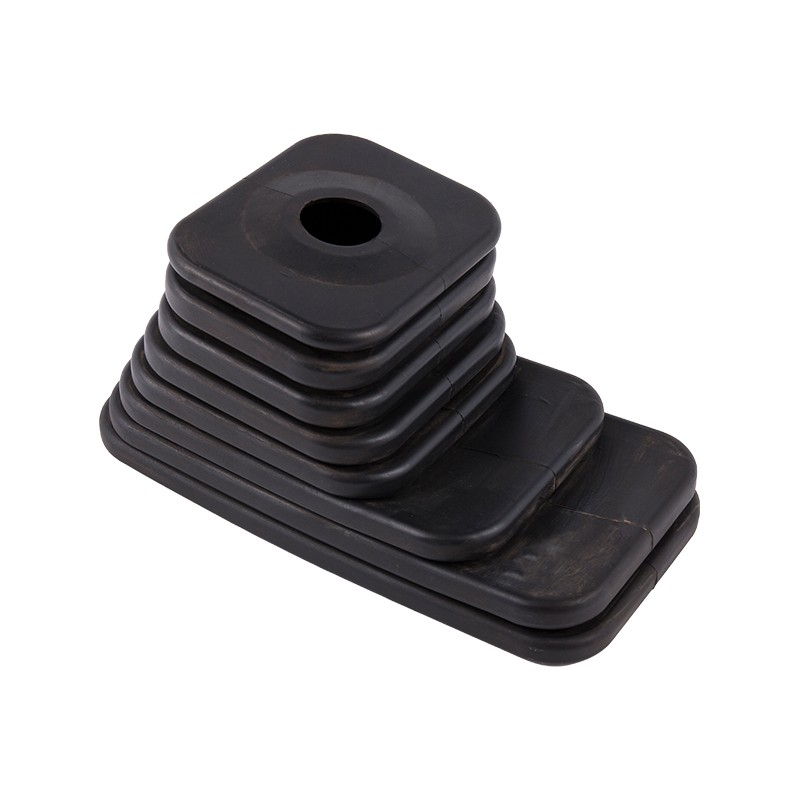
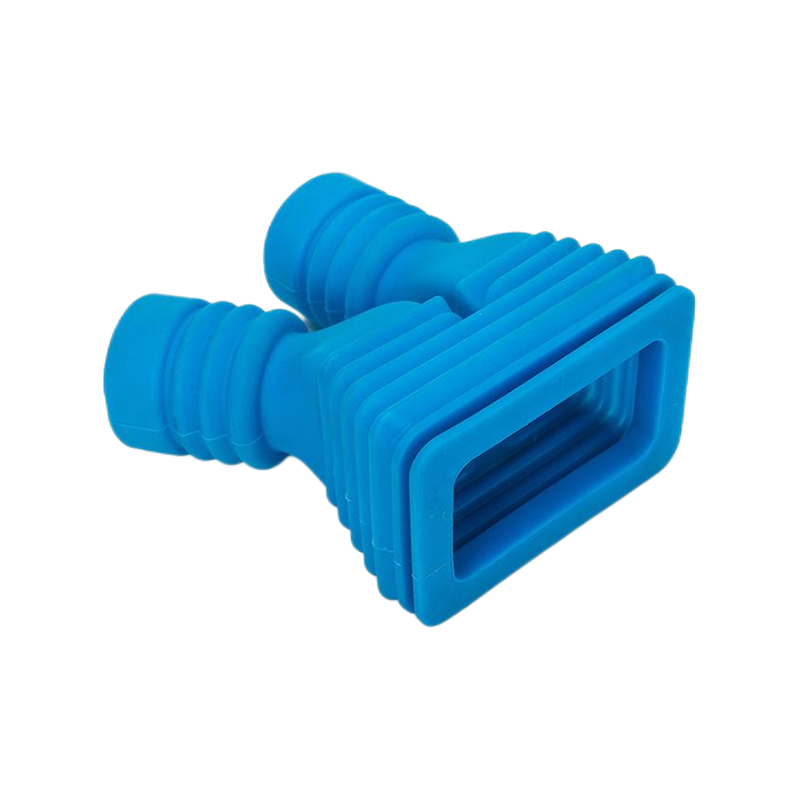
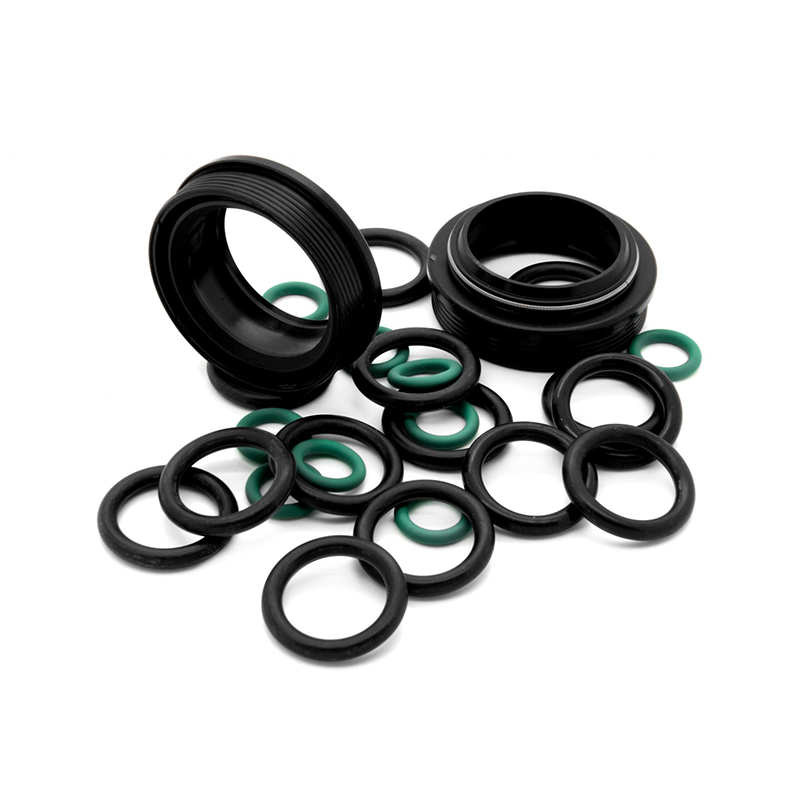
Industrial rubber bellows, compression molded rubber components, and suspension bushings remain essential across automotive, aerospace, and heavy machinery sectors. Manufacturers achieve optimal durability and precision through rubber compression molding, selecting between natural and synthetic rubber based on application demands. Synthetic rubber variants such as EPDM, nitrile, and neoprene outperform natural rubber in oil resistance and thermal stability, yet natural rubber retains superior tensile strength and elasticity for dynamic load applications. Leading rubber stopper manufacturers utilize compression molding to produce medical-grade and industrial sealing solutions that meet stringent regulatory standards.
Industrial rubber bellows serve as flexible seals that accommodate axial, lateral, and angular movement while protecting mechanical assemblies from contaminants, moisture, and debris. These components typically operate within temperature ranges of -40 degrees Celsius to 150 degrees Celsius depending on the elastomer compound. Multi-convolution designs extend flex life by distributing stress across multiple ridges, with some automotive steering rack bellows enduring over 500,000 cycles during validation testing.
EPDM rubber dominates outdoor and under-hood applications due to ozone resistance and thermal stability up to 150 degrees Celsius. Neoprene bellows offer balanced oil resistance and weathering characteristics for industrial machinery. For applications requiring extreme flexibility, natural rubber compounds provide elongation at break exceeding 500 percent, though they require protection from hydrocarbon exposure.
Rubber compression molding remains the preferred manufacturing method for medium-hardness components with complex geometries. The process involves placing a pre-weighed rubber charge into a heated mold cavity, then closing the tool under pressure to force the material into shape. Curing occurs at temperatures between 150 degrees Celsius and 180 degrees Celsius with clamping pressures ranging from 500 psi to 3000 psi. Cycle times typically span 3 to 10 minutes depending on part thickness and compound formulation.
Compression molds cost 40 to 60 percent less than equivalent injection molding tools, making the process economical for production volumes between 500 and 50,000 units annually. Precision compression molding achieves dimensional tolerances of plus or minus 0.005 inches for critical sealing surfaces. Rubber stopper manufacturers leverage this accuracy to produce pharmaceutical-grade stoppers with exacting purity requirements and minimal flash.
Compression molded rubber exhibits distinct mechanical properties that determine service life in static and dynamic applications. Compression set values below 25 percent indicate high-quality compounds capable of maintaining seal integrity under sustained load. Hardness ranges from 40 Shore A for flexible seals to 90 Shore A for rigid bushings, with each grade serving specific functional requirements.
| Property | Natural Rubber | EPDM | Nitrile |
|---|---|---|---|
| Tensile Strength (MPa) | 20 to 30 | 10 to 20 | 15 to 25 |
| Max Temperature (C) | 80 | 150 | 120 |
| Oil Resistance | Poor | Good | Excellent |
Rubber suspension bushings isolate vibration and control noise in automotive and heavy equipment chassis systems. These components must withstand radial loads exceeding 5000 kilograms in commercial vehicle applications while maintaining dynamic stability. Bonding rubber to metal substrates through chemical adhesion processes creates durable assemblies that prevent slippage under torsional stress.
Validated rubber suspension bushings typically demonstrate service lives exceeding 100,000 kilometers in standard automotive duty cycles. Laboratory testing includes salt spray exposure for 500 hours to verify corrosion resistance of metal components, along with dynamic fatigue testing at 10 Hertz for one million cycles. Manufacturers optimize bushing geometry through finite element analysis to balance ride comfort with handling precision.
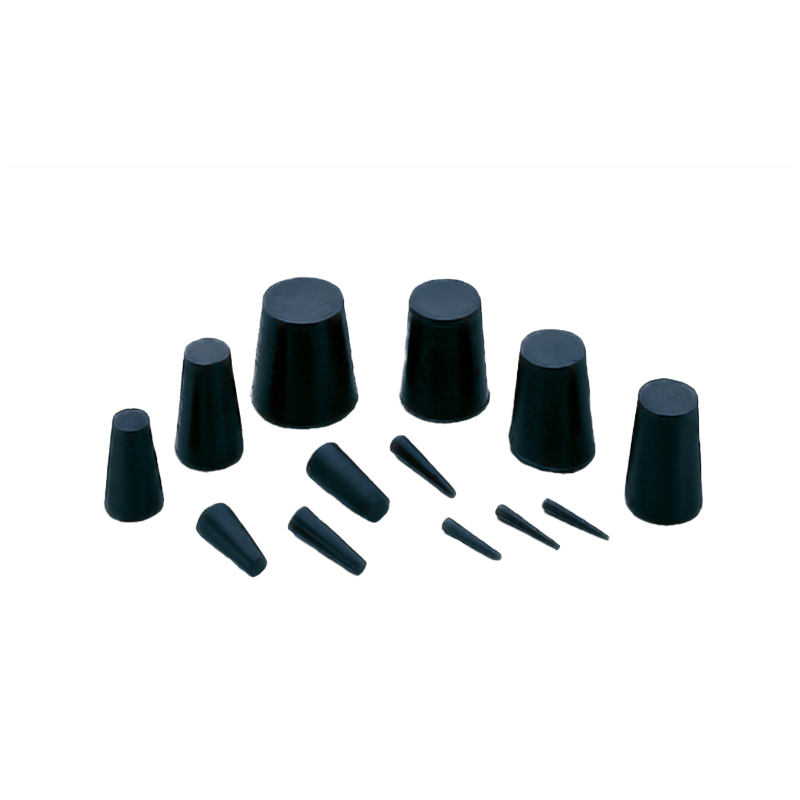
Rubber stopper manufacturers serve pharmaceutical, laboratory, and food processing industries with products requiring absolute material purity and dimensional consistency. Medical-grade stoppers undergo extraction testing to ensure leachable compounds remain below 0.1 milligrams per milliliter. Compression molding in ISO Class 7 cleanrooms prevents particulate contamination during production.
Quality systems encompass USP Class VI biological reactivity testing and FDA compliance for food contact applications. Leading manufacturers maintain batch traceability systems and automated vision inspection to detect surface defects as small as 0.2 millimeters. Silicone and butyl rubber compounds dominate this sector due to inert chemical properties and autoclave sterilization compatibility.
Natural rubber derived from Hevea brasiliensis latex contains cis-1,4-polyisoprene, delivering tensile strength between 20 and 30 megapascals and exceptional rebound resilience. These properties make natural rubber indispensable for dynamic applications such as engine mounts and anti-vibration pads. However, natural rubber degrades when exposed to ozone, ultraviolet radiation, and hydrocarbon oils.
Synthetic rubber encompasses formulations including styrene-butadiene rubber, ethylene propylene diene monomer, nitrile butadiene rubber, and polychloroprene. Synthetic rubber accounts for approximately 70 percent of global rubber consumption, driven by customizable properties and consistent supply chains. Each synthetic variant offers targeted resistance to heat, chemicals, or weathering that natural rubber cannot match.
Selecting between natural and synthetic rubber requires evaluating operating environment, mechanical loads, and cost constraints. Natural rubber provides superior elasticity and low heat buildup, making it ideal for high-cycle flexing applications. Synthetic rubber compounds deliver specialized performance: EPDM withstands continuous exposure to 150 degrees Celsius, while nitrile resists petroleum-based fluids across temperature ranges from -30 degrees Celsius to 120 degrees Celsius.
Cost analysis reveals that while natural rubber raw material prices average 30 percent lower than premium synthetics, the total lifecycle cost often favors synthetic compounds in harsh environments. Industrial rubber bellows exposed to chemical washdowns, rubber suspension bushings operating in oily undercarriage environments, and compression molded seals in engine compartments consistently demonstrate longer service intervals when produced from purpose-formulated synthetic rubber.
Contact Us
Copyright ©
Jiaxing Tosun Rubber&Plastic Co., Ltd.
All Rights Reserved.
Custom Rubber And Plastics Products Factory