

 English
  中文简体
中文简体  Español
Industry News
Home / News / Industry News / Custom Rubber Gaskets, Grommets & EPDM: Properties, Sizes & Applications

2026-04-21
Synthetic rubber, particularly EPDM, is the preferred material for custom rubber gaskets for plastic pipe and automotive rubber grommets due to its exceptional resistance to weathering, ozone, UV radiation, and temperature extremes ranging from -50°C to +150°C. EPDM rubber gaskets provide reliable sealing in water systems, HVAC, and municipal infrastructure, while rubber grommets for cars protect wiring harnesses from abrasion and environmental ingress across temperature ranges validated from -40°C to +150°C. Compared to natural rubber, synthetic rubber offers superior aging resistance, broader chemical compatibility with polar fluids, and customizable hardness from 40 to 90 Shore A, making it indispensable for modern industrial and automotive sealing applications.
Synthetic rubber refers to elastomers manufactured through polymerization of petroleum-derived monomers rather than harvested from natural latex sources. The most widely used synthetic rubbers include EPDM, nitrile rubber, neoprene, and silicone, each engineered for specific performance characteristics. EPDM, or Ethylene Propylene Diene Monomer, is synthesized through copolymerization of ethylene, propylene, and a diene monomer such as ethylidene norbornene, creating a saturated molecular backbone that resists environmental degradation.
The advantages of synthetic rubber over natural rubber are substantial and application-defining. EPDM maintains flexibility across temperatures from -50°C to +120°C continuously, with some formulations tolerating intermittent exposure up to 150°C. Natural rubber degrades rapidly under UV radiation and ozone exposure, while EPDM demonstrates excellent resistance to both, preventing surface cracking and material embrittlement over decades of outdoor service. EPDM roofing membranes, for example, achieve service lives of 30 to 50 years when properly maintained.
Synthetic rubber also offers precise hardness control ranging from 40 to 90 Shore A, tensile strength up to 25 MPa depending on compounding, and elongation at break exceeding 300%. These properties allow engineers to specify materials with exact mechanical performance for dynamic seals, static gaskets, or vibration-dampening components. Additionally, synthetic rubbers can be formulated for food-grade compliance, electrical insulation, or potable water certification, expanding their utility beyond what natural rubber can achieve.
EPDM rubber performs reliably across an exceptionally wide temperature range. Standard formulations maintain elasticity from -50°C to +120°C, while peroxide-cured variants extend continuous service to 135°C and short-term steam exposure to 150°C. This thermal stability makes EPDM suitable for automotive cooling systems, hot water plumbing, and industrial steam applications where natural rubber would harden or degrade.
EPDM exhibits excellent resistance to polar chemicals including water, steam, alcohols, glycols, ketones such as acetone, and dilute acids and alkalis. It remains stable in brake fluids, ammonia solutions, and organic acids. However, EPDM has poor compatibility with non-polar hydrocarbons, petroleum-based oils, gasoline, diesel, mineral oils, and chlorinated solvents, which cause swelling and mechanical property loss. For oil-exposed applications, nitrile rubber or neoprene are preferred alternatives.
EPDM demonstrates low compression set, typically maintaining 65 to 75 percent of original sealing force after prolonged compression, which is critical for long-term gasket performance. The material offers excellent electrical insulation properties with high dielectric strength, making it suitable for cable jacketing and electrical enclosure seals. Density ranges from 0.9 to 1.3 grams per cubic centimeter, optimizing weight while maintaining structural integrity.
| Property | Typical Range | Significance |
|---|---|---|
| Hardness | 40 to 90 Shore A | Adjustable for sealing vs. structural needs |
| Tensile Strength | 7 to 25 MPa | Resistance to breaking under load |
| Elongation at Break | 300% to 600% | Flexibility and deformation recovery |
| Service Temperature | -50°C to +150°C | Broad operational climate range |
| Compression Set | 25% to 35% maximum | Long-term sealing force retention |
| Density | 0.9 to 1.3 g/cm³ | Lightweight yet durable construction |
Custom rubber gaskets for plastic pipe systems require precise engineering to accommodate the unique mechanical and thermal characteristics of polymer piping materials. Unlike metal pipes that tolerate high bolt loads, plastic pipes such as PVC, CPVC, HDPE, and polypropylene are susceptible to creep deformation and stress cracking under excessive compression. Gasket design must therefore balance sealing effectiveness with protection of the pipe flange or joint surface.
EPDM is the predominant choice for plastic pipe gaskets in water, wastewater, and HVAC applications due to its excellent compatibility with potable water, resistance to chlorine and chloramine disinfectants, and low compression set that maintains seal integrity over years of thermal cycling. For chemical processing applications, PTFE-coated EPDM or pure PTFE gaskets provide enhanced chemical resistance. Nitrile rubber serves applications involving oils or hydrocarbons, though it is less suitable for outdoor UV exposure.
Precision in gasket sizing is non-negotiable for leak-free performance. Critical dimensions include internal diameter, external diameter, and cross-sectional thickness, which must match pipe class specifications such as DN50 or DN100 and standards including ISO, DIN, or GB. High-quality custom gaskets maintain dimensional tolerances of ±0.5 millimeters. The gasket must fit snugly within the gland or groove without stretching beyond recommended limits or compressing to the point of extrusion.
Socket and spigot joints in plastic pipe systems typically use pre-lubricated rubber ring gaskets, often O-rings or wedge-shaped profiles, that compress during pipe insertion. Flanged joints require flat gaskets compressed between bolted flanges, with EPDM sheet gaskets available in thicknesses from 1 to 10 millimeters. For push-fit joints in water mains and sewer lines, T-type or O-type rubber seals provide both sealing and slight angular deflection accommodation for ground settlement.
Potable water applications demand gaskets certified to NSF/ANSI 61 or WRAS standards to ensure no harmful substances leach into drinking water. Food-grade applications require FDA compliance. Industrial applications may need adherence to ASTM, ISO, or EN standards. Suppliers should provide material test reports verifying compression set resistance, tensile strength, elongation at break, and specific resistance properties including ozone and UV stability.
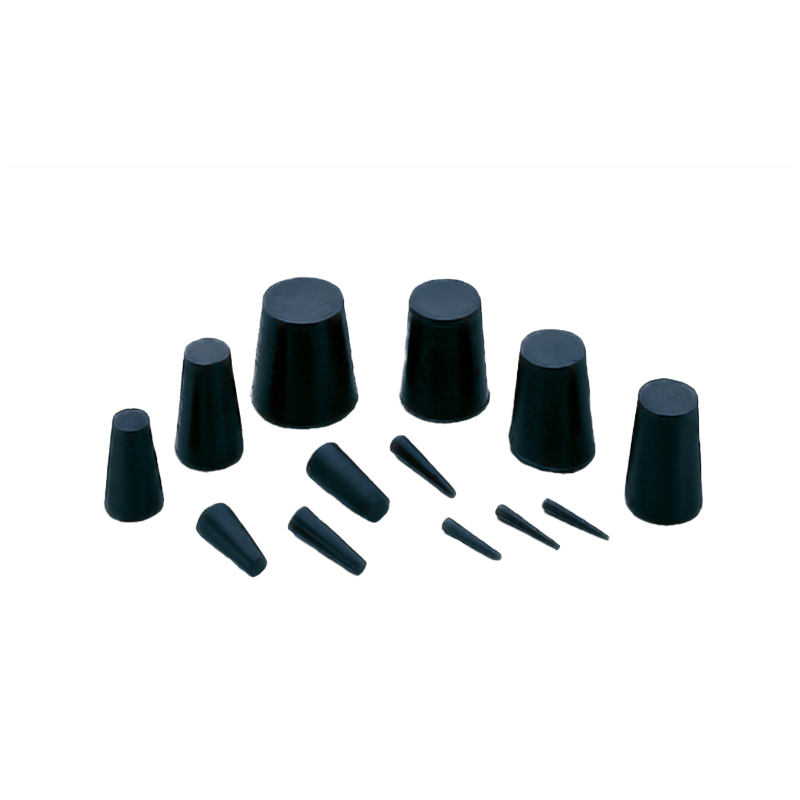
Rubber grommets for cars are critical components that seal panel openings, protect wiring from sharp metal edges, prevent abrasion, and organize cable routing throughout the vehicle. Automotive grommets must withstand temperature extremes from underhood heat to cold climate exposure, resist automotive fluids, and maintain dimensional stability over vehicle service lives typically exceeding 15 years.
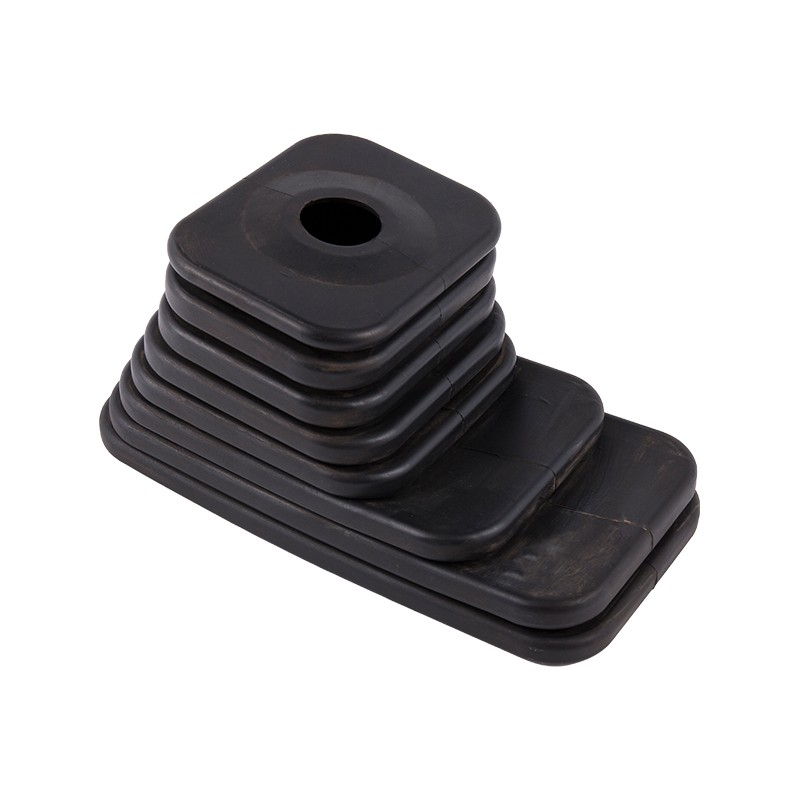
Panel grommets feature simple cylindrical designs with flanges on one or both sides that seat against vehicle body panel surfaces. These grommets distribute retention forces and create environmental seals against dust and moisture ingress. Installation involves pushing the grommet through a pre-punched panel opening until flanges seat firmly. Solid grommets generally provide superior sealing compared to split constructions, though split designs allow installation without disconnecting existing wiring.
Wiring harness grommets accommodate large cable bundles transitioning between major vehicle compartments, such as from the engine bay to the passenger cabin. These grommets feature larger diameters, typically 30 to 80 millimeters, with complex geometries designed to seal around multiple cables while providing strain relief. Multi-layer construction is common, combining heat-resistant compounds like silicone or high-grade EPDM on the engine side with standard EPDM on the cabin side for optimal flexibility and sealing.
Snap-in automotive grommets incorporate integrated retention mechanisms such as flexible ribs, barbs, or expanding sections that enable tool-free installation. These designs reduce assembly time and labor costs while ensuring reliable retention. EPDM compounds with intermediate hardness of 50 to 60 Shore A typically provide optimal performance, allowing sufficient deflection for installation while maintaining adequate retention forces over the vehicle lifetime.
Commercial rubber grommet assortments commonly include sizes ranging from small panel openings to large harness pass-throughs. Typical sizes include inner diameters of 7.14 millimeters, 9.53 millimeters, 12.07 millimeters, 15.88 millimeters, 19.05 millimeters, and 22.23 millimeters, with corresponding outer diameters and groove widths designed for standard panel thicknesses. Custom sizes are manufactured for specific OEM applications where standard dimensions do not meet design requirements.
| Test Parameter | Requirement | Test Method |
|---|---|---|
| Dimensional Tolerance | ±0.2mm critical features | CMM measurement |
| Hardness | ±5 Shore A of target | Shore A durometer |
| Tensile Strength | Minimum 7 to 10 MPa | ASTM D412 |
| Elongation at Break | Greater than 200% | ASTM D412 |
| Heat Aging | 80% to 90% property retention | 168 to 1000 hours at max temp |
| Low Temperature Flexibility | TR-10 below -30°C | Low-temp retraction test |
| Compression Set | Maximum 25% to 35% | ASTM D395 |
EPDM rubber gaskets are manufactured to meet specific industry standards that define material composition, physical properties, and performance under simulated service conditions. The ASTM D2000 classification system provides a standardized method for specifying elastomer materials, with EPDM falling under the M-class designation indicating a saturated polymer backbone. Common EPDM gasket specifications include ASTM D2000-2BA for general-purpose applications.
EPDM gaskets are available in hardness grades from 40 to 90 Shore A. Lower hardness grades of 40 to 50 Shore A provide superior conformability for uneven flange surfaces but offer less resistance to extrusion under high pressure. Higher hardness grades of 70 to 90 Shore A resist extrusion and withstand higher bolt loads but require smoother flange finishes for effective sealing. Medium hardness of 60 to 70 Shore A represents the most common specification for general-purpose flange gaskets.
EPDM sheet gaskets are manufactured in standard thicknesses of 1, 2, 3, 4, 5, 6, 8, and 10 millimeters. Thicker gaskets accommodate greater flange irregularities and provide better conformability, while thinner gaskets resist blowout under high pressure and reduce bolt load requirements. For plastic pipe applications, gasket thickness selection must consider the allowable compression of the pipe material to prevent creep or stress cracking.
Potable water gaskets require NSF/ANSI 61 certification or WRAS approval to ensure safety for drinking water contact. Food-grade EPDM gaskets must comply with FDA regulations for direct food contact applications. Automotive gaskets adhere to OEM specifications including SAE standards and manufacturer-specific material approvals. Construction applications may require compliance with ASTM C864 for preformed rubber gaskets used in building joints.
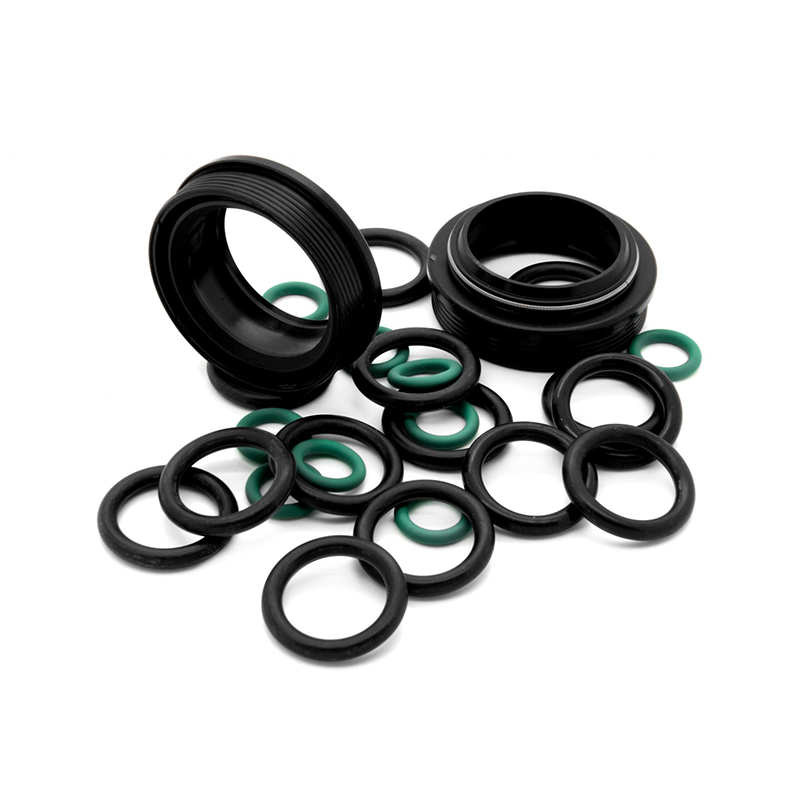
EPDM rubber O-rings are circular sealing elements manufactured from solid EPDM elastomer, designed to prevent fluid or gas leakage in static and dynamic applications. These O-rings leverage EPDM's excellent resistance to water, steam, and polar chemicals, making them ideal for plumbing systems, HVAC equipment, automotive cooling circuits, and chemical processing where petroleum-based fluids are not present.
EPDM O-rings are manufactured to international standards including AS568 for imperial sizes and ISO 3601 for metric sizes. Standard cross-sectional diameters range from 1.02 millimeters to 6.99 millimeters, with inner diameters spanning from 0.74 millimeters to over 600 millimeters depending on the series. The selection of cross-section diameter depends on gland depth, compression percentage, and extrusion risk under system pressure.
Effective O-ring sealing requires controlled compression typically between 15 and 30 percent of the original cross-sectional diameter. Insufficient compression results in leakage, while excessive compression accelerates compression set and reduces service life. For high-pressure applications, backup rings or harder EPDM compounds of 80 to 90 Shore A prevent extrusion into clearance gaps.
Gland surface finishes for EPDM O-rings should achieve roughness values of 0.8 to 1.6 micrometers Ra for static seals and 0.4 to 0.8 micrometers Ra for dynamic seals. Installation lubrication using compatible silicone grease or water-based lubricants prevents damage during assembly and aids proper seating within the gland. Petroleum-based lubricants must be avoided as they cause EPDM swelling and degradation.
Selecting the appropriate rubber gasket, grommet, or O-ring requires systematic evaluation of application conditions rather than relying on generic material recommendations. Engineers and procurement professionals should define the operating temperature range, chemical exposure profile, pressure requirements, flange or panel materials, and regulatory compliance needs before specifying a rubber compound.
For plastic pipe systems, verify that gasket compression loads remain within the pipe manufacturer's recommended limits to prevent long-term creep. In automotive applications, confirm that grommet materials meet OEM temperature and fluid resistance specifications for the specific vehicle platform. For outdoor infrastructure, prioritize EPDM's weathering resistance over cost savings from less durable alternatives, as premature failure generates far higher lifecycle costs through maintenance and replacement.
When sourcing custom rubber components, evaluate suppliers based on quality management certification such as ISO 9001, material traceability documentation, in-house testing capabilities, and demonstrated experience with similar applications. Request material test reports for each production batch and validate dimensional accuracy against engineering drawings before approving production quantities.
Contact Us
Copyright ©
Jiaxing Tosun Rubber&Plastic Co., Ltd.
All Rights Reserved.
Custom Rubber And Plastics Products Factory