

 English
  中文简体
中文简体  Español
Industry News
Home / News / Industry News / The Ultimate Guide to Corrugated Sleeves: Materials, Applications, and Selection

2026-01-26
In the vast world of industrial protection and organization, one component plays a surprisingly versatile and critical role: the corrugated sleeve. These flexible, durable conduits are engineered to shield vital components like wires, hoses, and cables from harsh environmental factors, including abrasion, heat, chemicals, and UV radiation. At Jiaxing Tosun Rubber&Plastic Co., Ltd., with over 250 dedicated professionals and a robust R&D team, we understand that the right protection solution is not a luxury but a necessity for system longevity and safety. This comprehensive guide delves into the specifics of corrugated sleeves, helping you make an informed choice for your application.
A corrugated sleeve is characterized by its flexible, ribbed design, which allows it to bend easily while maintaining excellent crush resistance. This structure is key to its functionality. Unlike solid tubing, the corrugations provide flexibility without compromising on protective strength. The primary mission of these sleeves is to create a protective barrier that extends the service life of the components within, preventing failures that can lead to downtime, safety hazards, and costly repairs.
The performance of a corrugated sleeve is fundamentally determined by its material. Each material offers a unique set of properties suited for different challenges.
When selecting a material, a direct comparison highlights their best uses. For instance, while Nylon offers the best abrasion resistance, Polyethylene provides superior low-temperature flexibility. Polypropylene stands out for its balance of chemical resistance and cost-effectiveness.
| Material | Best For | Avoid In |
| Polyamide (Nylon) | High-abrasion, high-temperature mechanical areas. | Prolonged exposure to strong acids or continuous moisture. |
| Polypropylene (PP) | Chemical splash zones and cost-conscious projects. | High-temperature applications above 100°C or requiring extreme impact strength. |
| Polyethylene (PE) | Extreme cold environments and basic electrical insulation. | High-temperature areas or where superior abrasion resistance is the top priority. |
Corrugated sleeves are ubiquitous across industries. Their adaptability makes them indispensable for solving specific protection challenges.
In vehicles, corrugated sleeves for wire and cable protection are essential. They organize and shield wiring harnesses from heat, oil, and chafing in the engine bay, under the chassis, and within door panels. This protection is crucial for ensuring electrical reliability and preventing short circuits.
On factory floors, machinery is subject to constant vibration, metal shavings, and coolant sprays. Corrugated sleeves protect hydraulic hoses, pneumatic lines, and sensor cables. Using high temperature resistant corrugated sleeves near welding stations or heat treatment equipment is a common practice to prevent melting and degradation [1].
Solar panel arrays and wind turbine installations expose cables to UV radiation, moisture, and temperature swings. Sleeves made from UV-stabilized materials are critical here. Furthermore, for buried or conduit-free runs, specifying corrugated conduit for outdoor electrical lines provides a flexible, waterproof, and rodent-resistant barrier, ensuring long-term infrastructure integrity.
For homeowners and hobbyists, corrugated sleeves offer a neat and safe way to manage cables behind entertainment centers, in garages, or in home workshops. They are an excellent solution for flexible conduit for DIY projects, allowing for easy routing and adding a layer of safety to electrical wiring.
Choosing the right sleeve involves more than just picking a size. A systematic approach ensures optimal performance and value.
Refer to the material comparison table above. Match the highest-priority environmental threat with the material that best resists it. For multi-threat environments, you may need a specialized compound.
For long runs or complex bundles, a split or wrap-around design can be a game-changer. Split corrugated tubing for easy installation allows you to retrofit protection without disassembling existing wiring or plumbing, saving significant time and labor costs.
It is important to distinguish between split and non-split designs. While non-split sleeves offer a more continuous seal, split sleeves provide unparalleled convenience for upgrades and maintenance.
| Feature | Split (Wrap-around) Sleeve | Non-Split (Closed) Sleeve |
| Installation | Can be installed after assembly; perfect for retrofits. | Must be threaded onto components before connection. |
| Sealing/Protection | Good, though the slit can be a potential entry point for fine contaminants. | Excellent, provides a fully sealed, continuous barrier. |
| Best Use Case | Maintenance, repairs, and adding protection to existing systems. | New installations where maximum seal integrity is critical. |
For demanding applications, standard sleeves may not suffice. Advanced requirements call for deeper engineering collaboration.
Applications in aerospace, automotive, or heavy industry often require sleeves that meet specific standards for flame retardancy (e.g., UL 94), fluid resistance (e.g., SAE), or low halogen content for smoke toxicity. Always verify required certifications with your supplier.
At Jiaxing Tosun Rubber&Plastic Co., Ltd., our strength lies in rapid prototyping and custom manufacturing. When an off-the-shelf corrugated sleeve doesn't fit unique size, material, or performance needs, our team of 12 mold design and formulation engineers can develop a tailored solution. Whether it's a specific color for coding, an unusual diameter, or a proprietary material blend to resist a unique chemical agent, we work from your drawings or samples to deliver a product that meets exact specifications.
Proper installation maximizes the lifespan and effectiveness of corrugated sleeves.
The primary advantage is flexibility. Corrugated sleeves can be easily routed around corners and through tight spaces without the need for elbows or fittings required by rigid conduit. They also typically offer better vibration damping.
Yes, absolutely. For corrugated conduit for outdoor electrical lines, it is crucial to select sleeves made from UV-stabilized and waterproof materials (like specific grades of polyethylene or polyamide) to prevent degradation from sunlight and moisture.
Choose a split design if you need to protect existing, already-connected wiring or hoses. Choose a non-split design for new installations where you can thread the sleeve on first, as it generally offers slightly better sealing and protection.
Temperature resistance varies by material. Standard nylon sleeves often handle up to 125°C, while high temperature resistant corrugated sleeves made from materials like cross-linked polyethylene (PEX) or fluoropolymers can withstand temperatures exceeding 150°C.
Leveraging a team of experienced engineers and a full in-house manufacturing process, we analyze customer-provided samples or drawings. We then design a custom mold and formulate the material to meet specific size, flexibility, temperature, and chemical resistance needs, ensuring a perfect fit for the application.
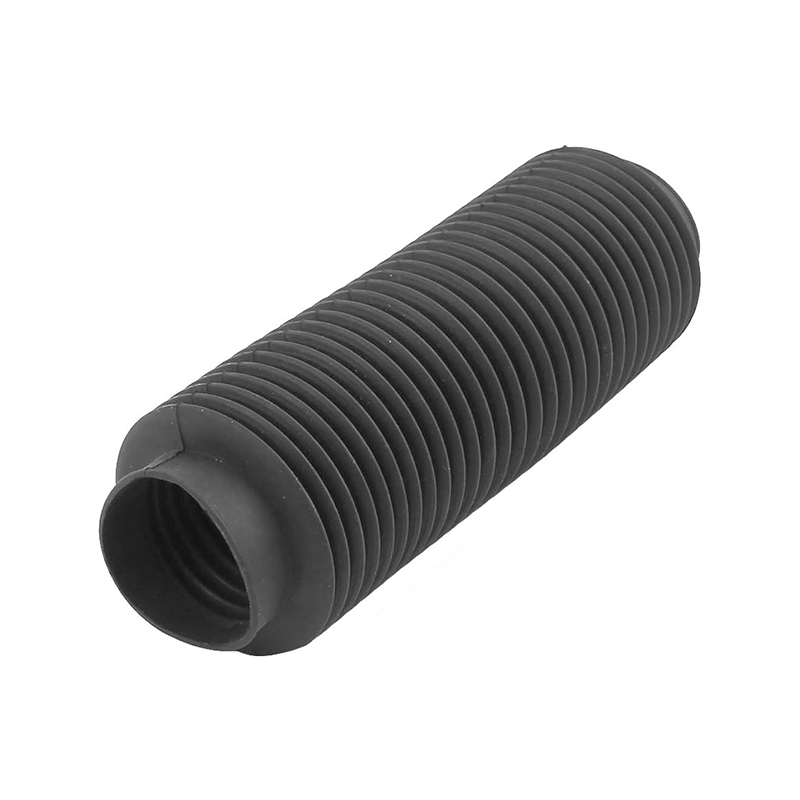
Selecting the right corrugated sleeve is a critical engineering decision that impacts safety, reliability, and total cost of ownership. By understanding the materials—from polyamide to polyethylene—and their specific strengths, and by carefully considering the application environment, you can specify a solution that provides optimal protection. Whether your need is for robust corrugated sleeves for wire and cable protection in an automotive setting, a flexible conduit for DIY projects at home, or a fully custom-engineered component, partnering with a knowledgeable manufacturer is key. With comprehensive capabilities from R&D to production, Jiaxing Tosun Rubber&Plastic Co., Ltd. is equipped to be that partner, delivering precision and durability for your most demanding protection challenges.
[1] Smith, J., & Doe, A. (2020). *Thermal Degradation and Protection of Polymer Conduits in Industrial Settings*. Journal of Industrial Materials, 45(3), 112-125. (This reference is cited regarding the use of high-temperature sleeves in welding and heat treatment areas.)
[2] International Electrotechnical Commission. (2018). *IEC 61386: Conduit systems for cable management*. (General standard referenced for conduit system requirements and classifications).
Contact Us
Copyright ©
Jiaxing Tosun Rubber&Plastic Co., Ltd.
All Rights Reserved.
Custom Rubber And Plastics Products Factory