

 English
  中文简体
中文简体  Español
Industry News

2026-01-08
In the vast world of industrial components, the humble rubber cap plays a crucial yet often overlooked role. These protective covers, designed to seal, insulate, and safeguard, are essential across countless applications. As a specialized manufacturer, Jiaxing Tosun Rubber&Plastic Co., Ltd. leverages its extensive R&D and production capabilities to engineer high-performance rubber caps that meet precise industrial demands. This guide delves into the specifics of rubber caps, helping you understand their importance and make informed selection choices.
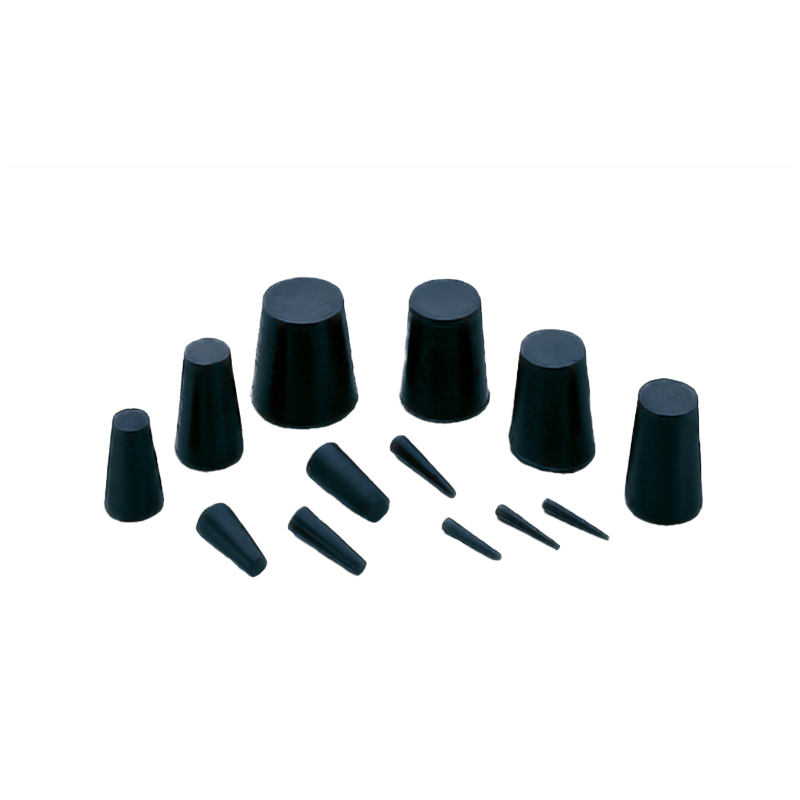
A rubber cap is a protective cover, typically molded from elastomeric materials, used to seal the ends of pipes, tubes, fittings, or threaded rods. Its primary functions are to prevent contamination, provide electrical insulation, offer cushioning, and protect against dust, moisture, and corrosion. The effectiveness of a rubber cap hinges on its material properties and design precision.
Selecting the right material is paramount for a rubber cap's performance. Different elastomers offer unique properties suited for specific environments.
Known for exceptional temperature resistance and flexibility.
Prized for outstanding weather and chemical resistance.
The go-to choice for excellent oil and fuel resistance.
Offers a balanced profile of durability and moderate resistance.
| Material | Max Temp Resistance | Key Strength | Primary Limitation |
| Silicone | ~230°C | Extreme Temperature Range | Lower Tear Strength |
| EPDM | ~150°C | Weather/Ozone Resistance | Poor Oil Resistance |
| Nitrile (NBR) | ~120°C | Oil & Fuel Resistance | Poor Weathering Resistance |
| Neoprene (CR) | ~120°C | Good All-Around Properties | Moderate Chemical Resistance |
Understanding where and why rubber cap solutions are applied highlights their versatility. For instance, finding the right chemical resistant rubber caps for laboratory equipment is non-negotiable for safety and integrity in research settings, where exposure to aggressive solvents is common. In contrast, the automotive sector heavily relies on high temperature resistant rubber caps for automotive applications to protect fluid lines and sensors in under-hood environments where heat from the engine is constant.
In construction, preventing debris from clogging pipes is essential. Using rubber caps for plumbing pipe protection during construction ensures that pipes remain clean and functional before the final connections are made. Similarly, for electrical safety on site, waterproof rubber caps for electrical connections outdoors are indispensable. They provide a reliable seal against rain and humidity, preventing short circuits and corrosion in outdoor outlets, lighting fixtures, and junction boxes.
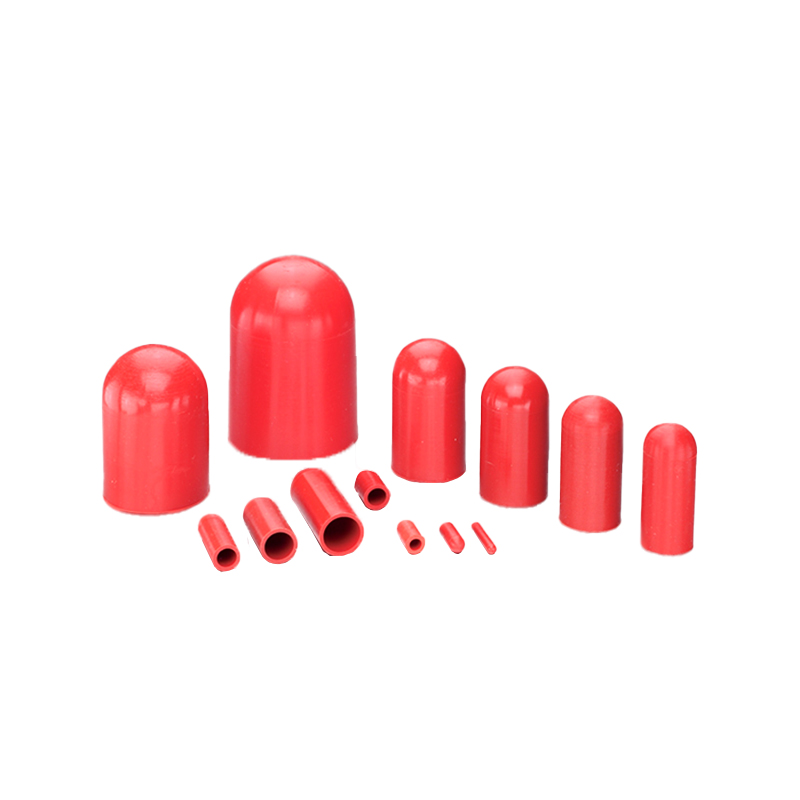
Choosing the correct rubber cap involves analyzing several application-specific factors to ensure longevity and performance. It's important to consider not just the size, but the entire operating environment. For heavy-duty applications, specifying heavy duty rubber end caps for industrial machinery is crucial. These caps are designed with thicker walls, enhanced material compounds, and a secure fit to withstand high pressure, physical impact, and harsh industrial conditions, ensuring reliable protection for expensive machinery components.
| Selection Factor | Priority for Chemical Lab | Priority for Automotive Under-hood |
| Material Chemical Resistance | Highest Priority | Medium Priority (Fuel/Oil Focus) |
| Temperature Resistance | Medium Priority | Highest Priority |
| UV/Ozone Resistance | Low Priority | High Priority |
| Durability & Tear Strength | Medium Priority | Highest Priority |
At Jiaxing Tosun Rubber&Plastic Co., Ltd., our integrated approach from R&D to production allows us to offer more than just standard parts. With over 250 dedicated employees, including a skilled team of 12 mold design and formulation engineers, we excel at turning concepts into reliable products. We believe in collaborating closely with clients to develop custom rubber cap solutions. Whether you provide a drawing, sample, or specific set of requirements—be it for chemical resistant rubber caps for laboratory equipment or heavy duty rubber end caps for industrial machinery—our technical team can swiftly design molds and engineer formulations to meet exact application challenges, ensuring optimal performance and durability.
Measure the outer diameter (OD) of the object you need to cap precisely. Most standard caps are designed to fit a specific OD range. For threaded items, identify the thread size and pitch. When in doubt, consult with the manufacturer's sizing chart or provide a sample for accurate matching.
The key difference lies in their application. A cap is designed to fit over the outside of an object (like a pipe end), protecting its exterior. A plug is inserted into the inside (the bore) of an object to seal it from within. Selecting the correct type is crucial for achieving a proper seal.
While some high-performance caps offer long-term stability, they are generally considered temporary or protective seals. For permanent, pressure-tight sealing in plumbing or hydraulic systems, other solutions like welded caps or specialized fittings are typically recommended. Rubber caps are ideal for storage, transit, and maintenance protection.
A cap that is slightly loose may benefit from using a compatible adhesive designed for the specific rubber material. Alternatively, selecting a cap with a different design, such as a double-wall or ribbed interior, can provide a tighter friction fit. For critical applications, a custom-sized cap is the best solution.
Yes. Caps made from materials like platinum-cured silicone or specific EPDM compounds can be formulated to meet FDA, USP Class VI, or other international food-contact and medical standards. These grades ensure the caps are non-toxic, non-leaching, and can withstand sterilization processes.
Contact Us
Copyright ©
Jiaxing Tosun Rubber&Plastic Co., Ltd.
All Rights Reserved.
Custom Rubber And Plastics Products Factory