

 English
  中文简体
中文简体  Español
Industry News

2026-02-04
In the vast world of industrial components, the humble rubber cap plays a critical, often understated role. These versatile protectors and seals are essential for safeguarding equipment, ensuring safety, and maintaining the integrity of various systems. This comprehensive guide delves into everything you need to know about rubber caps, from their diverse types to material science and selection criteria, highlighting how expertise in manufacturing makes all the difference.
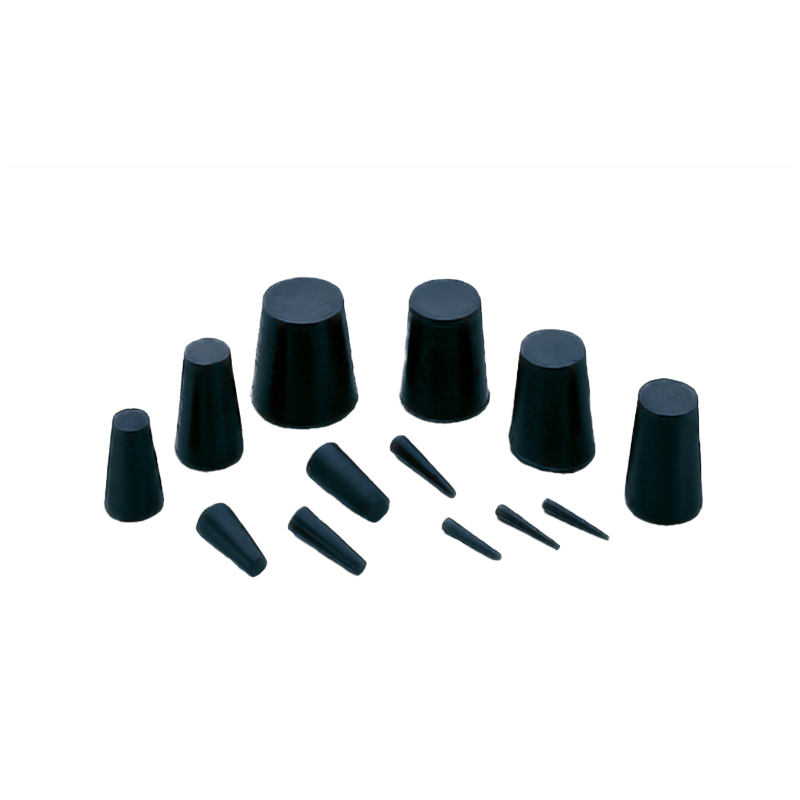
A rubber cap is a protective cover, typically made from elastomeric materials, designed to fit over the ends of pipes, tubes, fittings, valves, or threaded rods. Their primary functions are multifaceted:
For industries ranging from automotive to construction, selecting the right cap is not merely an accessory but a necessity for operational reliability. Companies like Jiaxing Tosun Rubber&Plastic Co., Ltd. specialize in the precise design and production of these components, leveraging a team of over 250 professionals, including mold design engineers, to meet exacting customer specifications.
The effectiveness of a rubber cap is largely determined by its design and material. Here, we explore five major types, addressing specific needs and applications.
These caps are engineered to screw onto external threads, such as those on pipes, bolts, or nozzles. They prevent thread deformation, corrosion, and contamination.
Featuring a lip or ridge, these caps provide a secure friction fit over the end of a tube or rod without threading. They offer quick application and removal.
Designed with a deep skirt and often a flanged base, these caps create an airtight seal through suction or compression. They are excellent for pressure and vacuum testing.
This specialized category addresses the need for protection against aggressive substances. The choice of elastomer is paramount here. For instance, Viton® (FKM) offers superior resistance to fuels, oils, and acids, whereas EPDM is excellent for ketones and alkalis [1]. When selecting chemical resistant rubber caps for laboratory use, compatibility charts must be consulted to prevent material degradation, which could lead to contamination or failure.
When operations involve extreme heat, standard rubber materials fail. Silicone rubber caps for high temperature applications excel here, maintaining flexibility and sealing integrity from -60°C to over 230°C [2]. This makes them indispensable in engine compartments, food processing machinery, and semiconductor manufacturing.
The performance of a rubber cap is dictated by its material. Below is a comparative analysis of common elastomers.
Selecting the correct material involves balancing factors like environment, media contact, temperature, and cost. For example, while Nitrile is cost-effective for oil resistance, silicone rubber caps for high temperature applications are unmatched for thermal endurance.
| Material | Key Properties | Best For | Limitations |
|---|---|---|---|
| Nitrile Rubber (NBR) | Excellent oil/fuel resistance, good abrasion resistance. | Automotive, machinery, fuel systems. | Poor performance with ozone, weathering, and polar solvents. |
| Silicone Rubber | Extreme temperature range, inert, flexible, biocompatible. | Medical, food-grade, high-temp electronics, aerospace. | Lower tensile strength, higher cost. |
| EPDM Rubber | Superior weather/ozone/steam resistance, good for polar fluids. | Outdoor applications, cooling systems, chemical processing. | Poor resistance to oils and fuels. |
| Neoprene (CR) | Good all-purpose resistance to weather, oils, and flame. | General industrial, marine, mild chemical environments. | Not suitable for strong acids or aromatic hydrocarbons. |
| Fluoroelastomer (FKM/Viton®) | Exceptional chemical and high-temperature resistance. | Aggressive chemical and automotive fuel systems. | Very high cost, limited low-temperature flexibility. |
Rubber caps provide tailored solutions across diverse sectors. Understanding these applications ensures the right component is specified.
In vehicles, caps protect brake lines, fuel injectors, and transmission ports from contamination. heat resistant rubber caps for automotive brake lines are a critical subtype. Brake fluid (DOT 3/4/5.1) is hygroscopic and corrosive, and brake systems operate at high temperatures. Caps made from EPDM or specialized, heat-stabilized NBR prevent moisture ingress and fluid evaporation, ensuring brake system integrity and safety [3].
Caps are used during installation, maintenance, and pressure testing of pipes and valves. They prevent debris entry and system contamination.
Here, caps seal sterile tubing, vial tops, and diagnostic equipment. Materials must be non-toxic, sterilizable (autoclavable), and often compliant with ISO 10993 or USP Class VI. Silicone is a predominant choice.
waterproof rubber caps for electrical connectors are vital for outdoor electronics, automotive wiring harnesses, and industrial control panels. These caps, often made from silicone or EPDM, provide an environmental seal against water, dust, and moisture, preventing short circuits and corrosion. A proper seal can significantly extend the lifespan of electrical components.
From covering machinery threads to sealing hydraulic test ports, caps are ubiquitous. The need for durable rubber caps for hydraulic fittings is paramount in this sector. Hydraulic systems operate under high pressure and are susceptible to contamination by particles as small as 5 microns. Durable caps made from polyurethane or reinforced NBR protect the precision-machined surfaces of fittings, preventing costly system failures and downtime.
Choosing the right cap involves a systematic evaluation of several parameters:
Partnering with a manufacturer like Jiaxing Tosun Rubber&Plastic Co., Ltd. offers distinct advantages. With a 20-person technical inspection team and in-house mold design capabilities, they can rapidly translate a customer's drawing or sample into a production-ready product, ensuring the cap perfectly meets the application's demands.
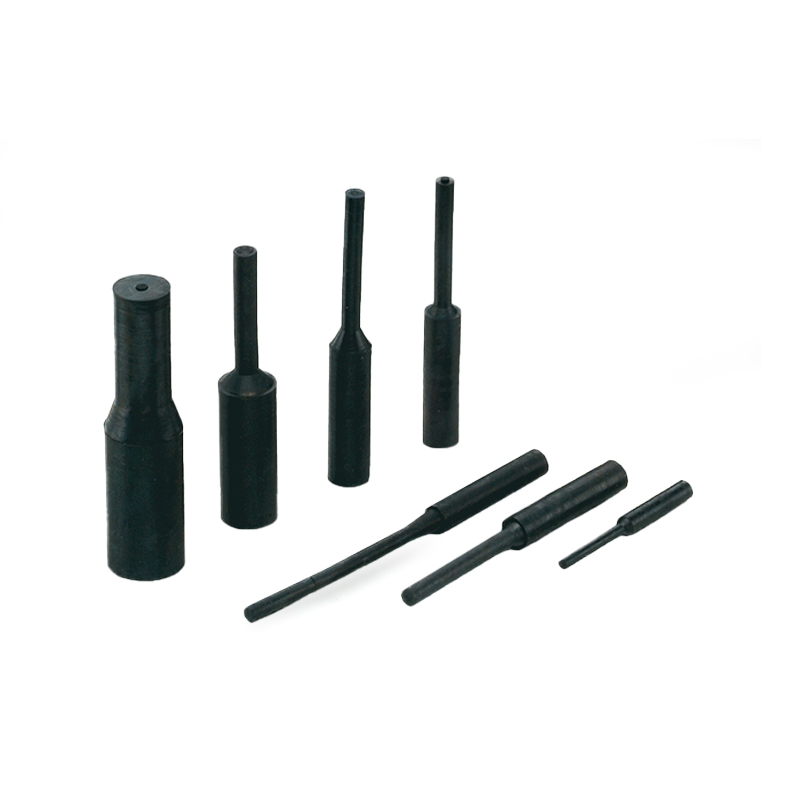
The quality of a rubber cap is forged in its manufacturing process. Key stages include:
A cap typically covers the external end of a component (like a tube end), while a plug is inserted into an internal opening or hole to seal it from within. Both serve protective and sealing functions but are designed for different interfaces.
Always consult the manufacturer's chemical resistance guide for the specific elastomer (e.g., NBR, EPDM, FKM). For critical applications like chemical resistant rubber caps for laboratory use, testing a sample with the actual chemical under expected conditions is recommended.
Yes, reputable manufacturers like Jiaxing Tosun Rubber&Plastic Co., Ltd. specialize in customization. By providing a drawing, sample, or detailed specifications, they can design and produce caps for non-standard ports, odd shapes, or with specific property requirements.
Not all silicone is food-grade. Food-contact silicone must be made from high-purity, platinum-cured materials without fillers that could leach. Look for certifications like FDA 21 CFR 177.2600 or LFGB compliance to ensure safety for food or medical applications.
Premature failure is usually due to material misapplication. Common causes include: exposure to an incompatible chemical (swelling or cracking), operating outside the material's temperature range (becoming brittle or melting), or excessive UV/ozone exposure causing surface cracking, especially in non-resistant materials like natural rubber.
The selection of a rubber cap is a precise engineering decision that impacts safety, efficiency, and cost. By understanding the different types—from chemical resistant rubber caps for laboratory use to heat resistant rubber caps for automotive brake lines—and the materials behind them, engineers and procurement specialists can make informed choices. Whether the need is for silicone rubber caps for high temperature applications, waterproof rubber caps for electrical connectors, or durable rubber caps for hydraulic fittings, partnering with a capable manufacturer is key. With integrated R&D, production, and rigorous QC, companies like Jiaxing Tosun Rubber&Plastic Co., Ltd. are equipped to deliver reliable, high-performance sealing solutions that meet the complex demands of modern industry.
[1] Smith, J., & Patel, R. (2021). *Chemical Resistance Guide for Elastomers and Plastics*. Industrial Materials Press. (Reference for chemical compatibility of elastomers like Viton and EPDM).
[2] Global Silicones Council. (2022). *Technical Datasheet: High-Temperature Silicone Elastomers*. (Reference for temperature range of silicone rubber).
[3] Automotive Engineering International. (2020). *Sealing Solutions for Modern Brake Systems*. SAE International. (Reference on requirements for brake line protection).
Contact Us
Copyright ©
Jiaxing Tosun Rubber&Plastic Co., Ltd.
All Rights Reserved.
Custom Rubber And Plastics Products Factory