

 English
  中文简体
中文简体  Español
Industry News

2025-12-05
Custom rubber seals are specially designed sealing components made from rubber or similar elastomeric materials, crafted to meet specific dimension, shape, and performance requirements for unique use‑cases. Unlike generic off‑the‑shelf seals, custom rubber seals are engineered to match exact profiles, tolerances, and environmental demands — ensuring maximum sealing effectiveness and component compatibility.
The manufacturing of custom rubber seals typically involves either extrusion or molding processes, depending on shape complexity and volume requirements. Material selection is crucial — commonly used elastomers include EPDM, silicone, neoprene, and others — each offering distinct performance attributes. In some cases, silicone gasket materials are chosen to meet strict thermal or chemical-resistance demands, leading to what we might call custom rubber seals silicone gasket solutions.
One of the primary advantages of using custom rubber seals is their ability to protect products from environmental threats. Whether it’s sealing a window against rain and wind, preventing dust ingress into sensitive equipment, or shielding components from corrosive chemicals or extreme temperatures — a well‑designed custom seal can significantly extend product lifespan and reliability. In many applications, failure to seal correctly can lead to malfunction, corrosion, safety hazards, or premature wear of internal components.
Reliability isn’t just about material — it’s also about fit. A generic seal that doesn’t match the required profile can leave gaps, leading to leaks, rattles, or inadequate protection. That’s why correct specification and accurate measurement are vital. Using over‑sized or under‑sized seals can compromise sealing effectiveness. With how to measure custom rubber seals correctly, engineers ensure tolerances and compression rates are accurate — delivering consistent, long‑term sealing performance.
One of the most common uses of custom rubber seals is in windows, doors, and enclosures — whether for residential, commercial, or industrial settings. Custom seals ensure tight weatherproofing, noise reduction, and energy efficiency. Standard, off-the-shelf seals often cannot match the exact profile needed for non‑standard frames or unique designs. By specifying custom rubber seals for windows and doors, manufacturers and builders achieve a bespoke-fit, improving insulation, reducing drafts, and preventing water or dust infiltration.
Beyond buildings, custom rubber seals play a critical role in industrial machinery, equipment cabinets, electrical enclosures, HVAC systems, and more. In these contexts, seals often have to meet higher demands — chemical resistance, temperature extremes, repeated compression cycles, or dust-tight sealing. Off-the-shelf seals may not provide the reliability required. With custom rubber seals for industrial equipment, engineers can design seals tailored to the environment, tolerances, and compliance needs of their equipment — significantly boosting reliability and longevity.
Choosing the right material and gasket type is essential. Different elastomers provide different strengths and weaknesses: some excel in weather resistance, others in chemical resistance or temperature extremes. When you specify a custom rubber seal, it’s important to consider the operating environment, exposure conditions, and performance requirements. A silicone gasket solution may be ideal for high-temperature or chemical-laden environments, while EPDM might work better for outdoor weather sealing, UV exposure, and longer life spans.
Accurate measurement is often underestimated. However, to ensure a proper seal, you must specify internal/external dimensions, cross‑section profile, required compression percentage, and length tolerances. Mistakes in measurement can lead to ill-fitting seals — resulting in leaks, reduced durability, or failure to meet design specifications. Proper measurement protocols help guarantee that your custom rubber seals will perform reliably under operational conditions.
High‑quality custom rubber seals dramatically reduce maintenance needs over time. Because they are tailored to the application, with proper material selection and precision tolerances, they tend to resist wear, environmental degradation, and performance drift. This leads to fewer seal failures, less downtime for repairs or replacements, and longer service intervals — all of which contribute to improved reliability and reduced total cost of ownership for products and equipment.
Although custom rubber seals may have higher upfront cost compared to generic seals, they often yield cost savings in the long run. By preventing leaks, environmental damage, or part failures, they reduce the likelihood of warranty claims, product recalls, or field service interventions. For manufacturers and OEMs, this reliability translates into lower liability, improved brand reputation, and higher customer satisfaction — making custom rubber seals an investment rather than a cost.
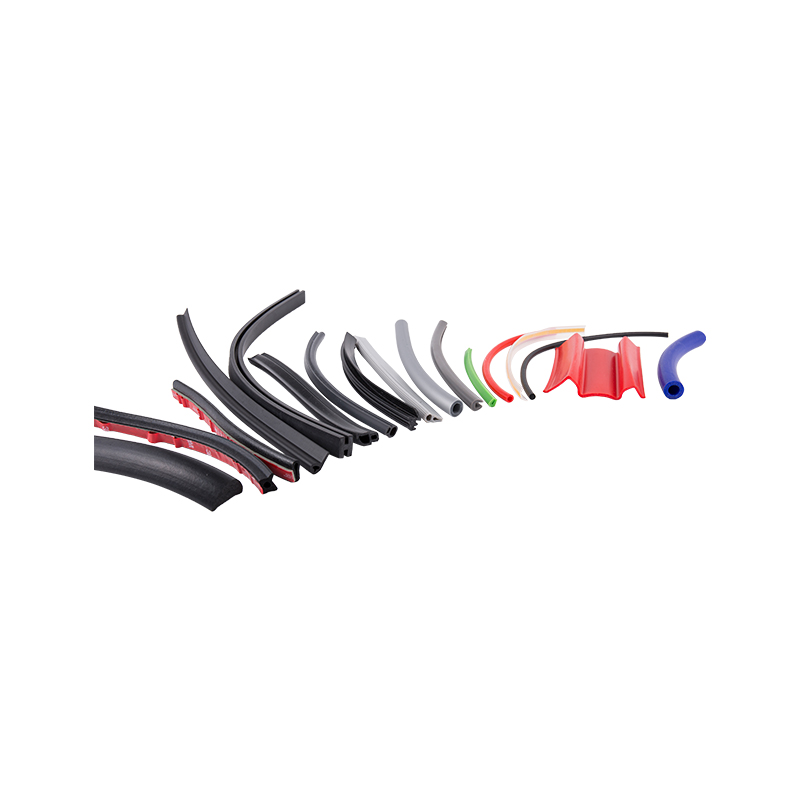
Choosing the right material depends primarily on the environment and service conditions where the seal will be used. For outdoor weather sealing (windows, doors), materials resistant to UV, moisture, and temperature variation (like EPDM) are often preferred. For high‑temperature, chemical, or harsh industrial environments, a silicone-based gasket or another chemically-resistant elastomer may be more appropriate. When specifying the seal, include required properties such as temperature range, chemical exposure, flexibility, and compression set to guide material selection.
In many cases, yes — especially when your application has specific profile, tolerance, or environmental demands. A standard off-the-shelf seal might work for generic frames or enclosures, but it may fail prematurely if the fit is not perfect or the material properties are not suited for the environment. Custom rubber seals provide tailored sealing performance, better fit, longer service life, and reduced maintenance — which over time can result in lower total cost of ownership and improved reliability.
Precision is critical. You must measure groove/frame dimensions (width, depth, radius), required cross‑section profile, and installation compression requirements carefully. Even small deviations can lead to inadequate sealing (gaps, leaks) or over-compression (seal deformation, reduced lifespan). Use precise measuring tools such as calipers or profile gauges, provide detailed drawings or CAD specs, and clearly specify tolerances and compression rates to ensure the custom rubber seal performs as expected.
Yes — one of the major benefits of custom rubber seals is their adaptability. By choosing appropriate materials (like silicone, high‑grade EPDM, or specialized elastomers), and specifying precise profiles and tolerances, custom seals can withstand chemical exposure, temperature extremes, repeated mechanical stress, and environmental hazards. This makes them ideal for heavy‑duty industrial equipment, HVAC systems, electrical enclosures, and other demanding applications.
Contact Us
Copyright ©
Jiaxing Tosun Rubber&Plastic Co., Ltd.
All Rights Reserved.
Custom Rubber And Plastics Products Factory