

 English
 中文简体
 Español
Industry News
Home / News / Industry News / How to Evaluate an IATF 16949 Certified Rubber Parts Manufacturer: Audit Focus Areas

2026-10-19
At a remote video audit last spring, a purchasing engineer discovered that her IATF 16949 certified rubber parts supplier had no in-process SPC charts on record for the previous six months. The certificate on the conference room wall was valid. The process control behind it was not.
That gap, between certified status and demonstrated control, repeats across rubber parts supply chains more often than buyers expect. What to look for in an IATF 16949 certified rubber parts manufacturer is evidence that the quality system runs on verifiable process control: traceable material lots, monitored cure parameters, calibrated test equipment, and inspectors with the authority to stop a shipment.
These staffing and facility figures, taken from the operational profile of Jiaxing Tosun Rubber & Plastic Co., Ltd., are the kind of benchmark you can quantify during a structured supplier visit. If a candidate manufacturer cannot state equivalent numbers for compounding, tooling, and inspection, the audit has already found its first gap.
IATF 16949 certification confirms that a rubber parts manufacturer's quality management system follows automotive process discipline; it does not confirm that every mixed batch, molded cavity, or extruded roll matches your part specification.
Because the standard is system-conformity based, surveillance audits typically happen once a year. What happens between audits decides part quality: a compound reformulation requested by a customer, a new mold set with unproven gate geometry, or an incoming polymer lot that barely passes the manufacturer's own incoming test. A disciplined certified manufacturer flags these events before they reach production. A merely certified one might not.
In-house material formulation is the strongest predictor of a rubber parts manufacturer's ability to manage compound variation, because the most common rubber failure modes, compression set, oil swell, heat aging, and modulus drift, originate in polymer selection and curing system design, not in part geometry.
When a finished rubber part fails, the manufacturer must trace it back to the raw polymer lot, mixing parameters, and cure conditions. If the compound was purchased from an external mixer, every trace runs through another company. In an IATF 16949 audit, traceability is a stated requirement; in practice, its depth depends on where the mixing floor sits.
Before the visit, review the different rubber material families relevant to your part, so the supplier conversation stays focused on formulation evidence instead of generic material claims.
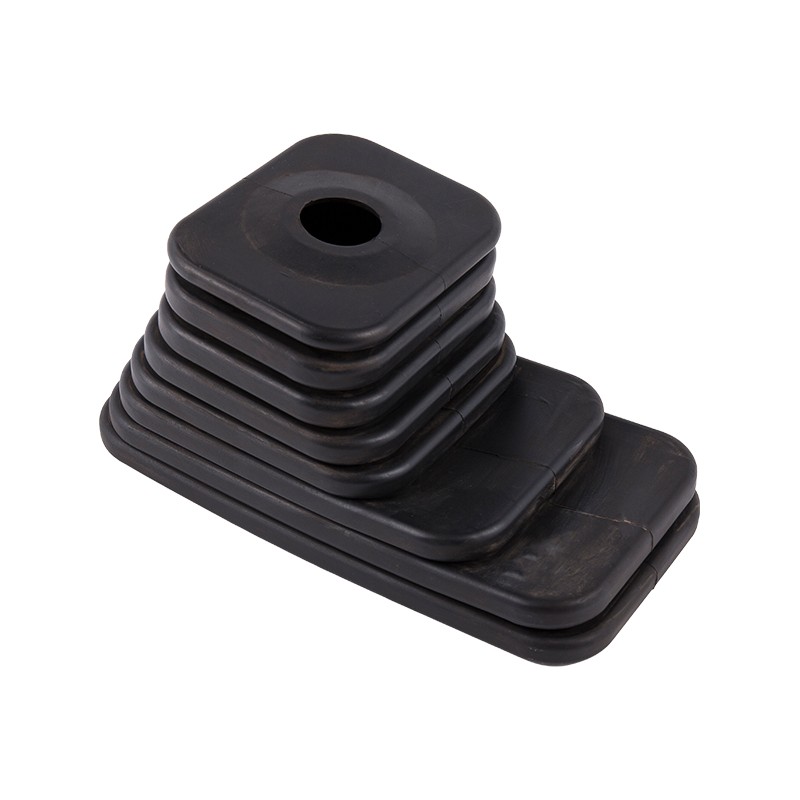
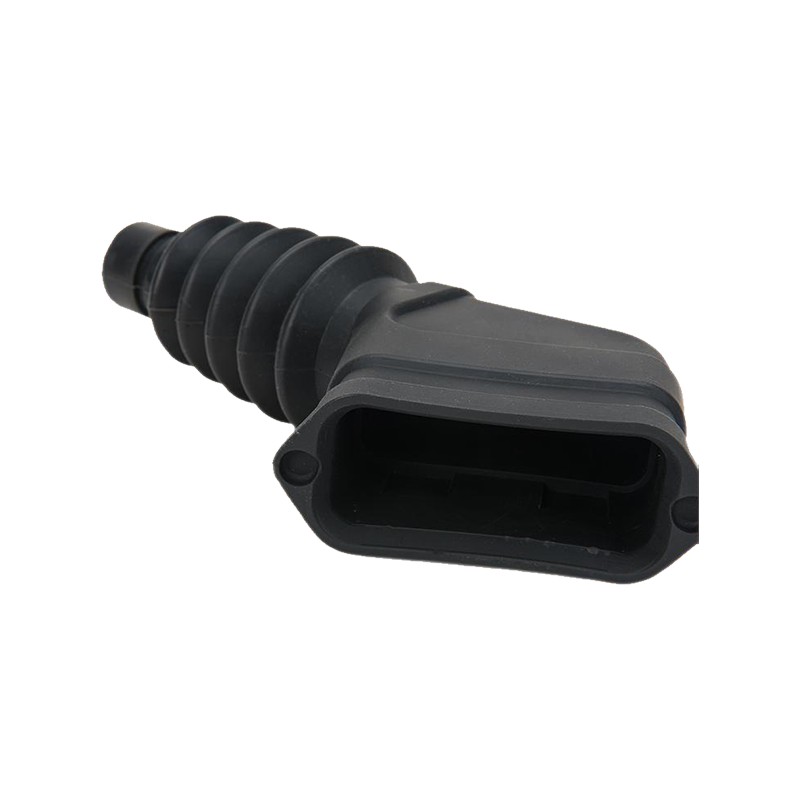 Custom Molded Rubber Products Manufacturer for Precision Rubber ComponentsThis manufacturer produces custom molded rubber parts via compression, injection, and transfer molding, covering materials like silicone, neoprene, and EPDM. It suits engineers needing seals, gaskets, and bellows, and its range of in-house processes supports better tolerance control and traceability.View Product →
Evaluate a rubber parts manufacturer by the range of processes it can control under one roof, because splitting a part between multiple suppliers multiplies tolerance stacks, complicates traceability, and slows engineering change response.
A complete supplier typically needs four capability blocks:
Use this verification sequence during the plant walkthrough:
Walking through the molding production line from material mixing to final inspection gives you the same audit value as five PDF documents: you can see where controls are real and where they exist only on paper.
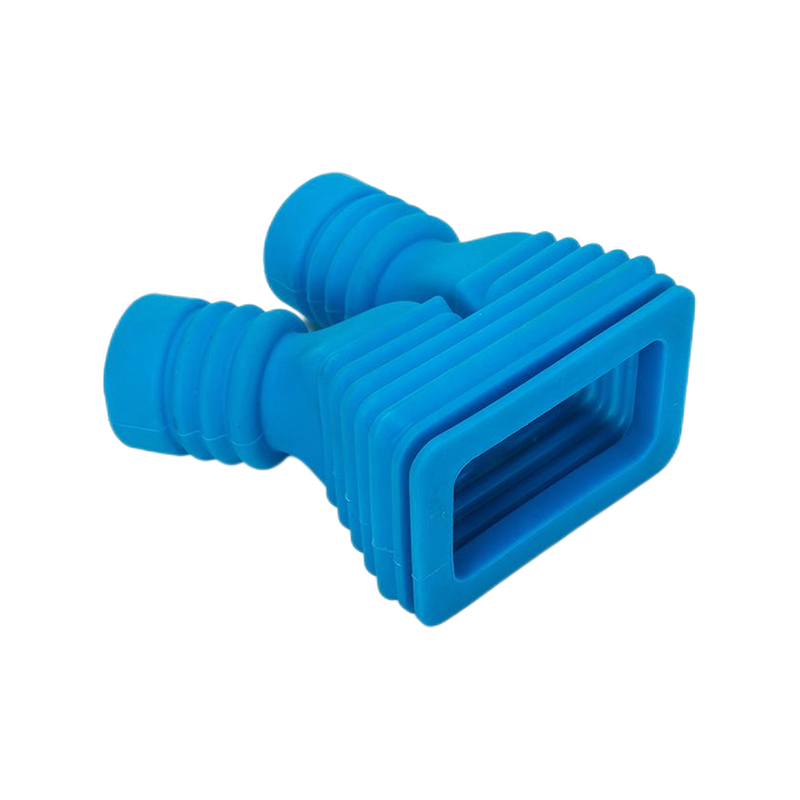
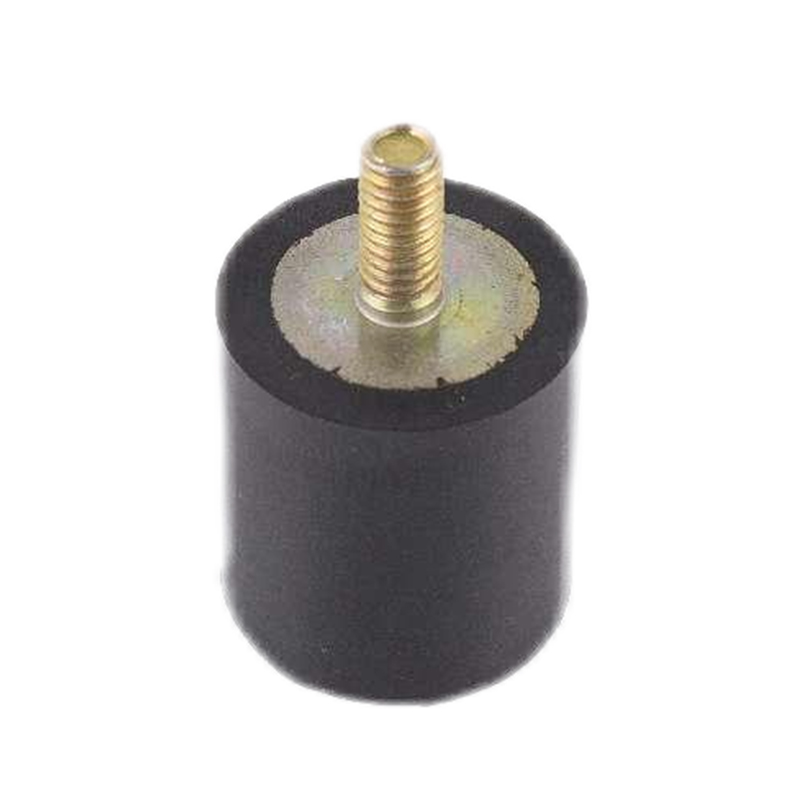
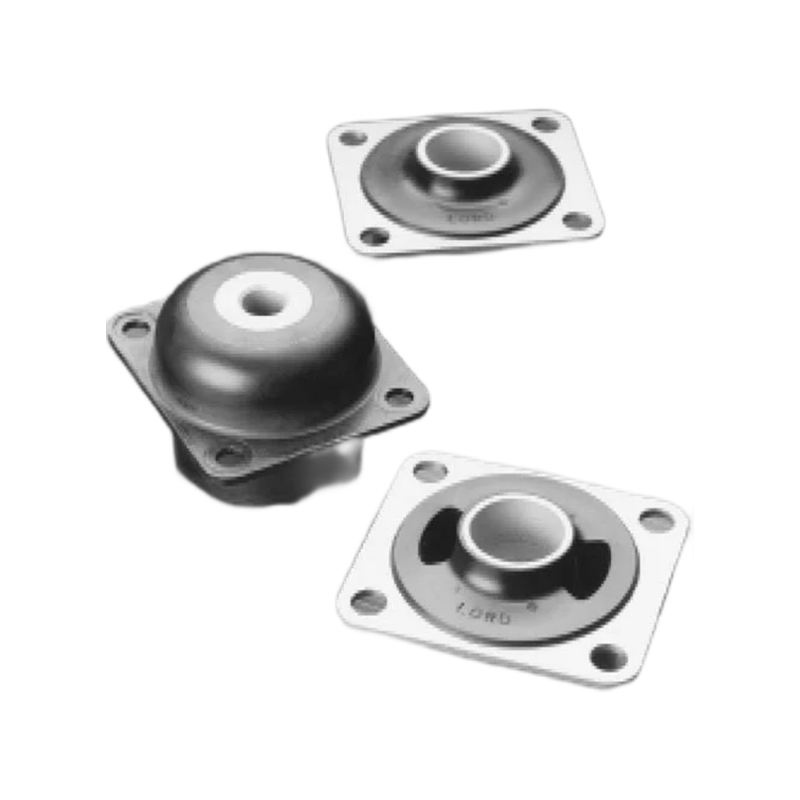 Rubber-to-Metal Bonding Parts Manufacturer with Vibration Control ProductsThis supplier specializes in rubber-to-metal bonded components such as mounts, bushings, bumpers, and anti-vibration parts. Its product range and quality registration certificates are relevant for applications requiring durable, shock-absorbing assemblies, making it a candidate for detailed process and laboratory evaluation.View Product →
The depth of the in-house test laboratory determines how quickly a manufacturer can prove material conformance, and whether the PPAP data it sends you comes from its own instruments or from waiting on an outside laboratory.
A creditable rubber testing lab should include at least the following equipment:
| Audit area | What to verify | Why it matters |
| Certificate scope | Scope lines cover molding, extrusion, and bonding | Out-of-scope processes lack certified controls |
| Raw material traceability | Batch records link polymer, filler, and curing agents | Non-conforming lots can be contained fast |
| Mixing parameters | Logs for mix time, temperature, and batch ID | Cure consistency and modulus stability |
| Mold maintenance | PM schedule and dimensional check records | Cavity wear creates silent dimensional drift |
| Test equipment | Calibration certificates and GR&R studies | Measurement error hides process drift |
| Sub-tier suppliers | Approved vendor list and re-qualification cycles | Hidden substitutes alter aging and chemical resistance |
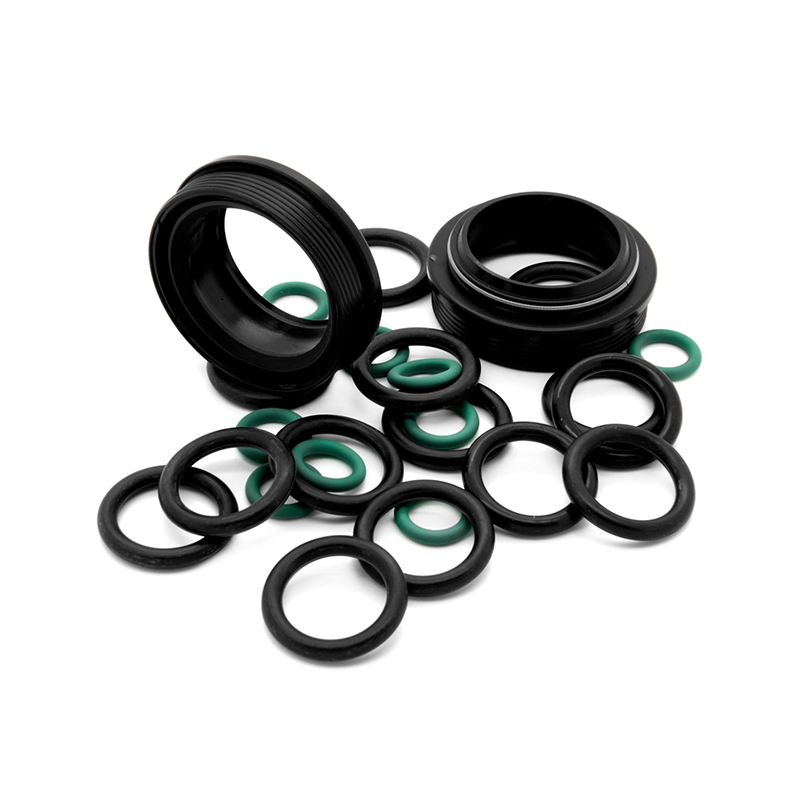
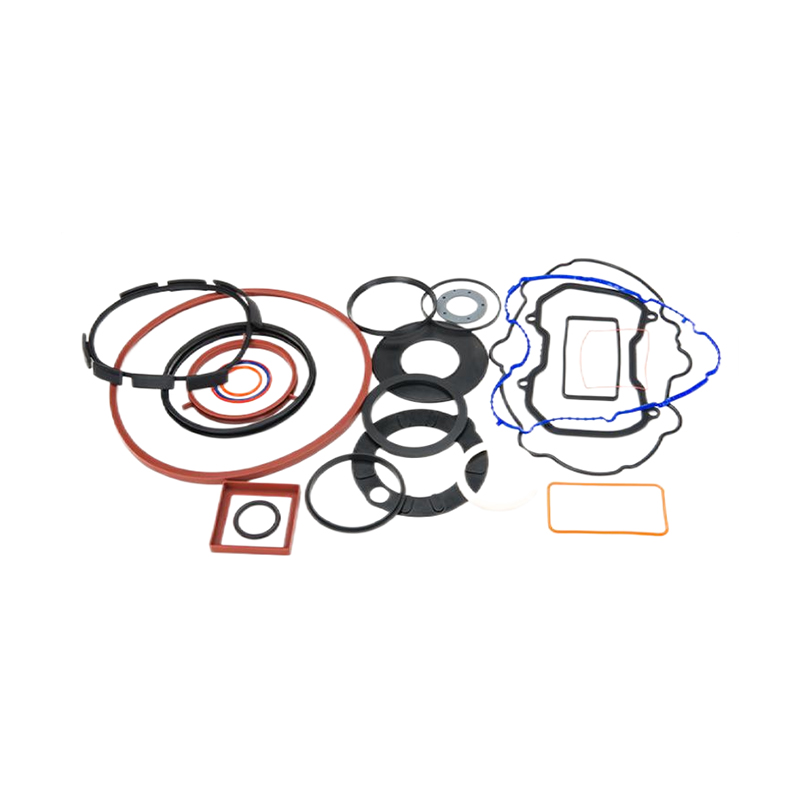 Custom EPDM and Silicone Molded Rubber Seals ManufacturerThis company offers custom gaskets, seals, and washers in EPDM and silicone, with compliance documents like REACH and RoHS reports. Its technical comparisons of sealing materials help engineers select appropriate polymers, and its certifications support reliability in demanding window, door, and bellows applications.View Product →
You can filter an IATF 16949 certified rubber parts manufacturer faster by testing how it documents engineering changes than by re-reading its quality policy.
The contract should name the certificate scope, the compound recipe ownership, the change notification channel, and the PPAP resubmission trigger. If a manufacturer hesitates on any of these four clauses, the audit conclusion writes itself.
IATF 16949 covers the quality management system for automotive production and service parts, including APQP, FMEA, SPC, MSA, PPAP, product safety, and customer-specific requirements, but only for the processes listed on the certificate scope.
Most original equipment manufacturers and tier-1 suppliers require IATF 16949 certification or an approved customer-specific alternative for rubber sealing, fluid transfer, and vibration control components, especially where a failure affects safety or warranty cost.
Ask whether compounding is performed in house, review incoming material test records and mixing logs, clarify who owns the compound recipes, and require a compound change notification clause in the quality agreement before tooling approval.
ISO 9001 defines general quality management expectations, while IATF 16949 adds automotive-specific discipline: APQP gate reviews, PPAP submission requirements, special characteristics management, warranty management, and compliance with customer-specific requirements.
Contact Us
Copyright ©
Jiaxing Tosun Rubber&Plastic Co., Ltd.
All Rights Reserved.
Custom Rubber And Plastics Products Factory