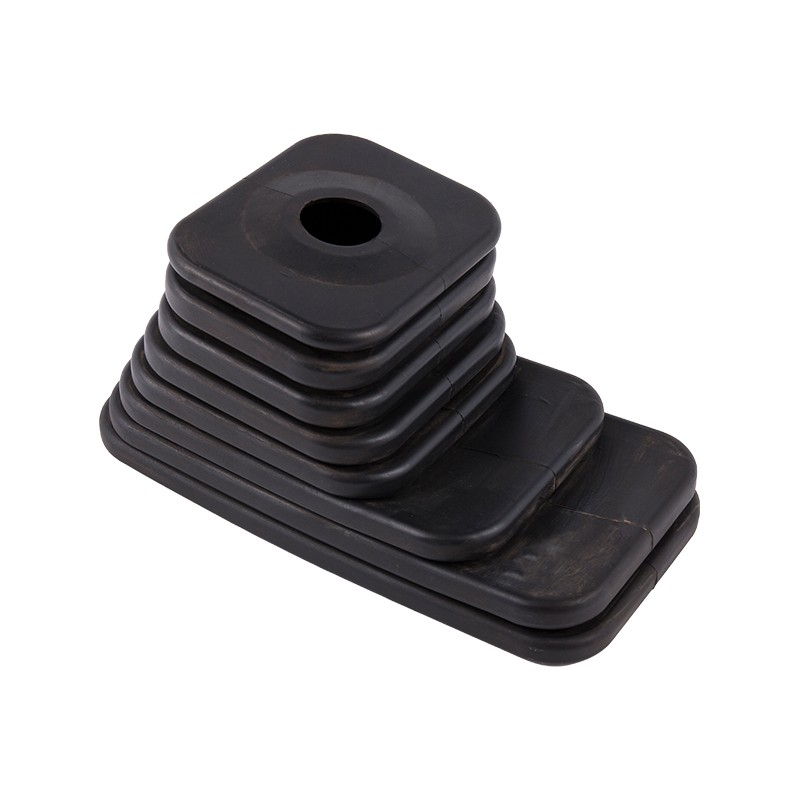
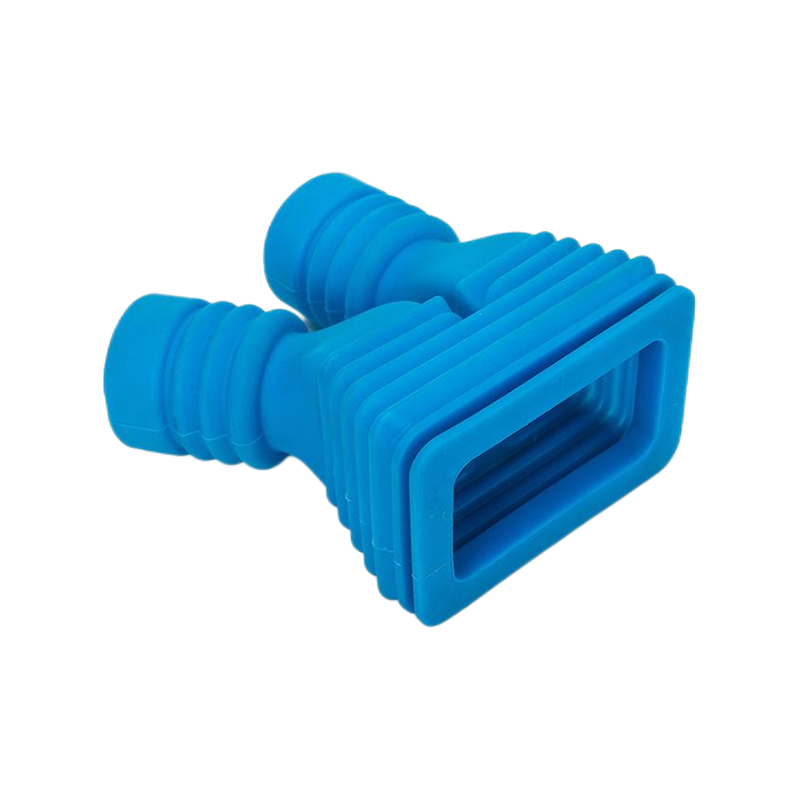
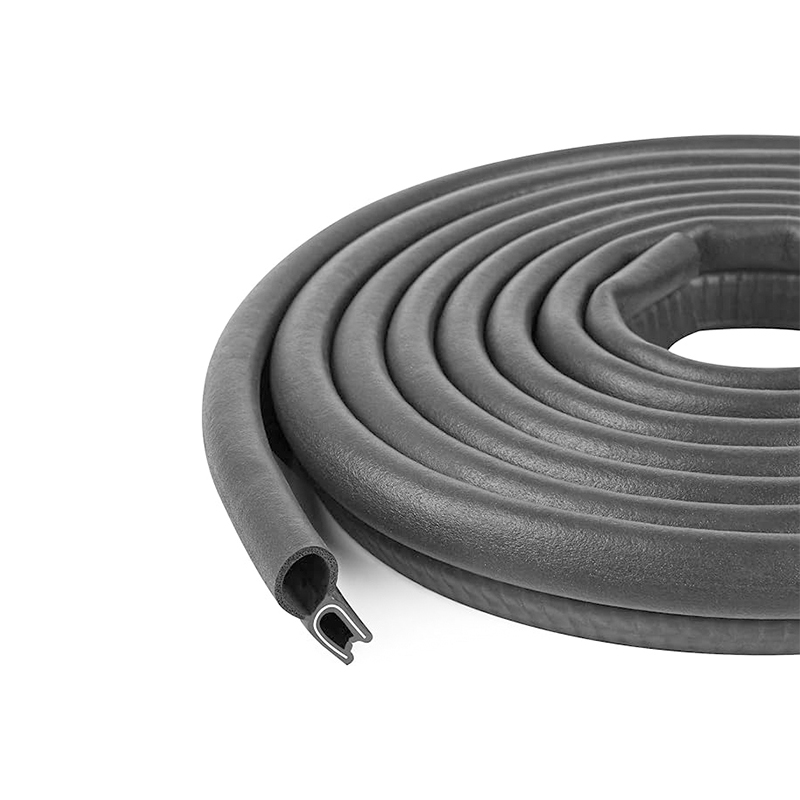
Rubber extruded formed hose is manufactured by forcing uncured rubber compound through a shaped die to produce a continuous profile — typically circular, but also oval, flat, or multi-bore — which is then vulcanized to set its final physical properties. The extrusion process enables consistent wall thickness, tight dimensional tolerances, and the integration of reinforcement layers in a single continuous production run, making it the dominant manufacturing method for industrial hose across virtually every fluid-handling industry.
Construction Layers
A reinforced rubber hose is a composite structure. Each layer serves a distinct engineering function:
- Inner tube (liner) — the fluid-contact layer, formulated for chemical compatibility with the conveyed medium. Material selection here is the most critical specification decision.
- Reinforcement — one or more plies of braided textile (polyester, nylon, aramid), spiral-wound wire, or knitted cord provide pressure containment and dimensional stability under working pressure. Higher working pressures require more reinforcement plies or higher-tensile wire.
- Outer cover — protects the reinforcement from abrasion, ozone, UV exposure, chemicals, and mechanical damage in service. Typically formulated differently from the inner tube to optimize environmental resistance rather than fluid compatibility.
Common Rubber Compounds and Their Applications
The performance envelope of any extruded hose is defined by its elastomer compound. The most specified compounds in industrial applications are:
- NBR (Nitrile Butadiene Rubber) — excellent resistance to petroleum-based oils, fuels, and hydraulic fluids; temperature range typically -40°C to +120°C. The standard choice for fuel lines, hydraulic hose, and oil-transfer applications.
- EPDM (Ethylene Propylene Diene Monomer) — outstanding resistance to steam, hot water, ozone, and weathering; temperature range up to +150°C continuous. Widely used in automotive cooling hoses, steam hose, and chemical process lines carrying aqueous solutions.
- Neoprene (CR) — good balance of oil resistance, flame retardancy, and weather resistance; used in marine, refrigeration, and general-purpose industrial hose.
- SBR (Styrene Butadiene Rubber) — cost-effective general-purpose compound for water, air, and mild chemical service; not suitable for oil or fuel contact.
- FKM / Viton — premium compound with exceptional resistance to aggressive chemicals, fuels, and high temperatures up to +200°C; specified for demanding chemical process and fuel system applications where NBR is insufficient.
- Silicone (VMQ) — extreme temperature range (-60°C to +230°C), excellent flexibility at low temperatures, clean and odorless; used in food and pharmaceutical transfer, turbocharger hose, and medical applications.
Formed hose — also called pre-formed or molded-end hose — extends the extrusion process by shaping the hose into a specific geometry (elbows, S-bends, reduction curves) during vulcanization using a mandrel. This produces hose assemblies that conform to a defined routing path without field bending, critical in automotive underhood applications and process plant installations where space envelopes are tightly constrained.
Rubber Moulded Products: Manufacturing Methods and Design Considerations
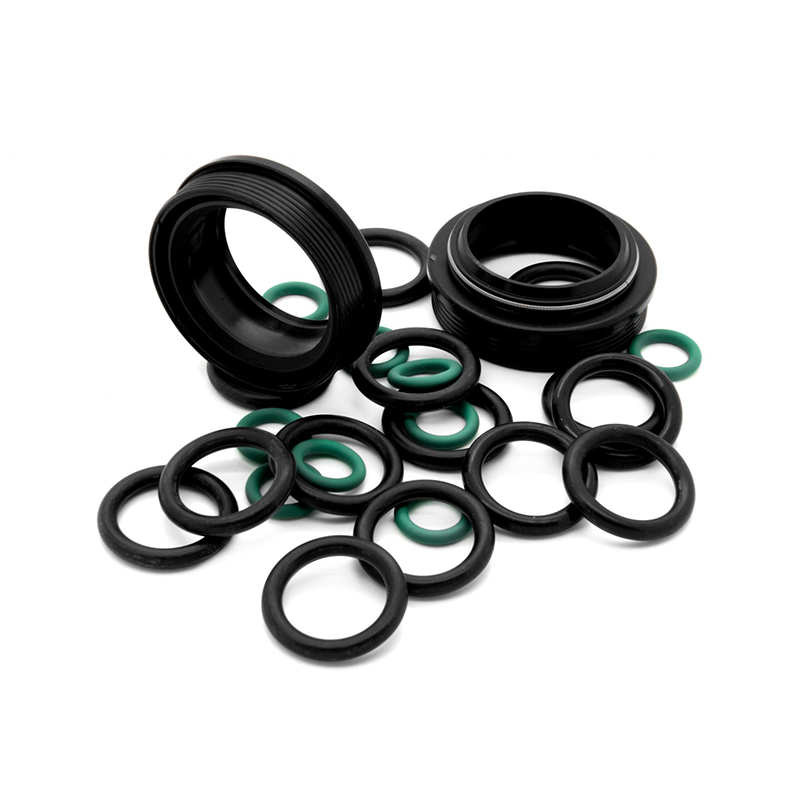
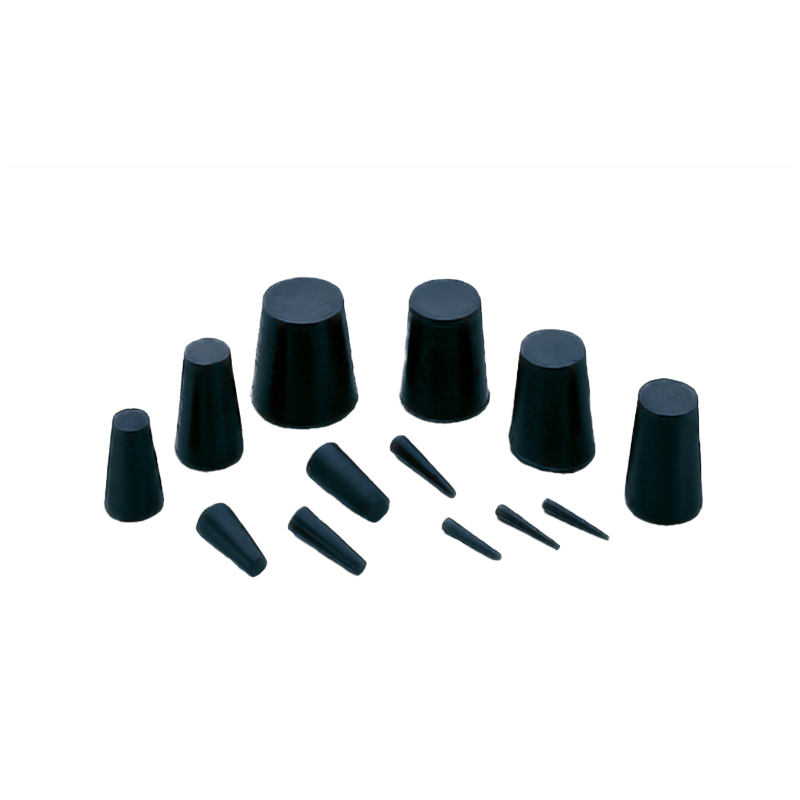
Rubber moulded products encompass any component produced by placing uncured rubber compound into a shaped cavity and applying heat and pressure to simultaneously form and vulcanize the part. Unlike extrusion, which produces continuous profiles, moulding creates discrete, net-shape components of virtually any three-dimensional geometry. This makes it the manufacturing method of choice for seals, gaskets, vibration mounts, diaphragms, bushings, grommets, and precision custom components across every industrial sector.
Primary Moulding Processes
- Compression moulding — a pre-weighed charge of uncured rubber is placed directly into an open mould cavity, the mould is closed under press pressure, and heat triggers vulcanization. The simplest and most cost-effective tooling method, well-suited to medium-complexity parts and moderate production volumes. Flash formation at the parting line requires trimming.
- Transfer moulding — rubber compound is loaded into a pot above the mould cavities and forced through sprues into the closed mould under ram pressure. Produces cleaner, more dimensionally consistent parts than compression moulding and handles more complex geometries. Suited to multi-cavity tools and parts with metal inserts.
- Injection moulding — pre-plasticized rubber is injected under high pressure into fully closed multi-cavity moulds. Highest tooling cost but delivers the best dimensional repeatability, shortest cycle times, and minimal material waste. Preferred for high-volume precision components such as O-rings, automotive seals, and medical device parts.
Rubber-to-Metal Bonding
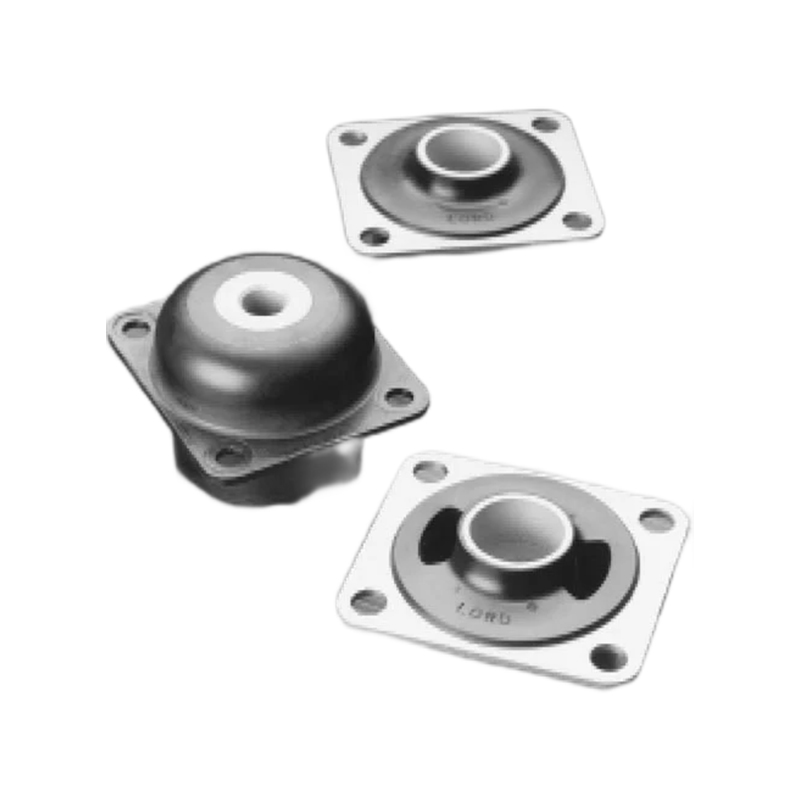
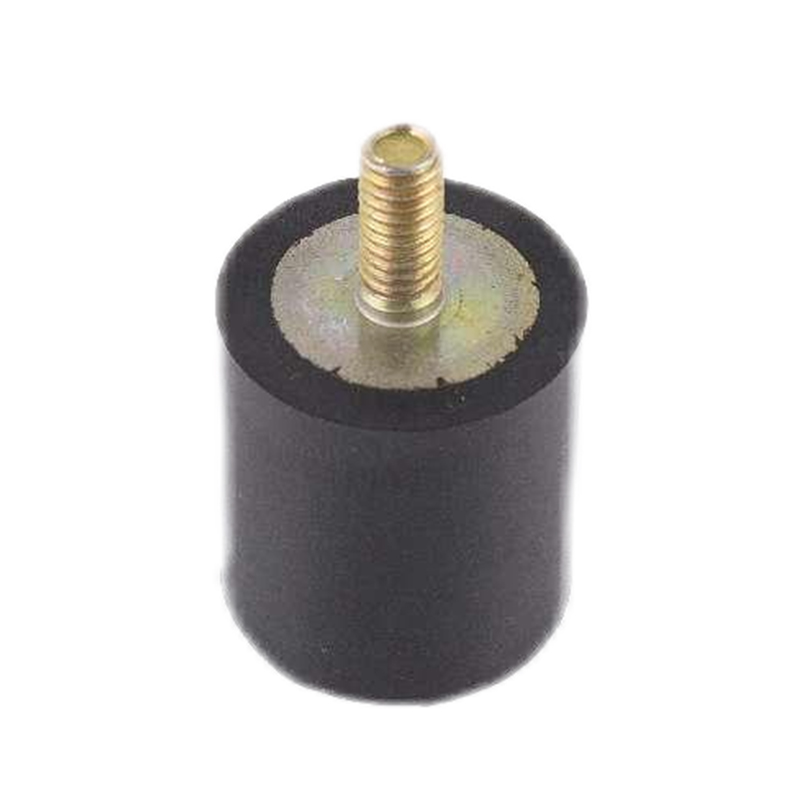
Many rubber moulded products incorporate metal inserts — bonded into the component during the moulding and vulcanization cycle using adhesive primers applied to the metal surface. Rubber-to-metal bonded parts combine the elastic compliance of rubber with the structural rigidity and dimensional precision of metal, enabling components such as engine mounts, anti-vibration bushings, hydraulic accumulator bladders, and flanged connectors that must carry load while absorbing movement. Bond integrity is validated by peel and shear strength testing per ISO 813 or ASTM D429.
Key Specifications for Moulded Rubber Parts
When sourcing rubber moulded products, the following technical parameters define the product's fitness for purpose and should be explicitly specified in procurement documentation:
- Elastomer compound and hardness (Shore A) — hardness range 30–90 Shore A covers the spectrum from very soft sealing gaskets to firm structural mounts; specify the compound family (NBR, EPDM, FKM, silicone, etc.) and hardness to ±5 Shore A
- Tensile strength and elongation at break — per ISO 37 or ASTM D412
- Compression set — the residual deformation after sustained compression load; critical for sealing applications where the component must maintain contact stress over its service life
- Dimensional tolerances — moulded rubber tolerances per ISO 3302 (M1 through M4 grades); critical dimensions at nominal size should be called out explicitly
- Fluid and temperature resistance — immersion testing per ISO 1817 or ASTM D471 confirms volume swell and property retention after exposure to the service fluid at operating temperature
Rubber Bellows Expansion Joints: Function, Types, and Engineering Parameters
A rubber bellows expansion joint is a flexible connector installed in a piping system to absorb thermal movement, mechanical vibration, misalignment, and pressure pulsation that would otherwise impose destructive stresses on piping, vessels, and connected equipment. The bellows geometry — a series of convolutions or corrugations — allows the joint to deflect axially, laterally, and angularly while maintaining a pressure-tight seal, effectively decoupling the rigid pipe sections on either side.
Design Configurations
- Single arch (single sphere) — the most common configuration; one convolution absorbs multi-directional movement. Suitable for moderate displacement and misalignment in HVAC, pumping, and process plant service.
- Double arch (double sphere) — two convolutions provide greater lateral and angular deflection capacity than a single arch; used where higher movement absorption is required without increasing installed length.
- Multi-convolution bellows — multiple convolutions allow very large axial travel; used in thermal expansion applications in long pipeline runs and district heating systems.
- Tied (restrained) expansion joints — tie rods limit axial travel and transfer pressure thrust to the structure rather than the pipe anchors, simplifying pipe support design in complex systems.
- Flanged and/or spool-type joints — flanged ends allow direct connection to standard pipe flanges; spool bodies (a rubber tube between two flanged ends) provide additional flexibility and are particularly effective for vibration isolation at pump connections.
Rubber Compound Selection for Expansion Joints
The inner liner compound must be compatible with the conveyed fluid; the outer cover must resist the installation environment. Common pairings include EPDM for hot water, steam, and chemical service; NBR for petroleum and oil systems; Neoprene for seawater cooling and marine service; and natural rubber (NR) or SBR for slurry, mining, and abrasive media where high tensile strength and tear resistance are priorities. Reinforcement is typically multiple plies of polyester or nylon fabric, with steel wire rings embedded in the flange bead area to maintain dimensional integrity under pressure.
Critical Engineering Parameters
| Parameter |
Typical Specification Range |
Design Impact |
| Working Pressure |
Full vacuum to 25 bar (standard); up to 40 bar (reinforced) |
Determines reinforcement ply count and flange rating |
| Temperature Range |
-50°C to +180°C (compound dependent) |
Governs elastomer compound selection |
| Axial Movement |
±6 mm to ±50 mm (single arch) |
Sets convolution geometry and number |
| Lateral Deflection |
Up to 20 mm (single arch) |
Critical for pump misalignment absorption |
| Angular Deflection |
Up to 15° (single arch) |
Accommodates pipe misalignment at installation |
| Bore / Face-to-Face |
DN25 to DN2000+ |
Must match pipe schedule and flange standard (ANSI, DIN, AS) |
Key engineering parameters for rubber bellows expansion joint specification
Expansion joints should be installed with the system at its cold (ambient) condition with the joint in its neutral position unless pre-compression or pre-extension is specified by the engineer. Incorrect installation pre-load is one of the leading causes of premature bellows failure in service.
Rubber Products for Oil and Gas Applications
The oil and gas industry imposes some of the most demanding service conditions encountered by elastomeric components: high pressures, elevated temperatures, aggressive hydrocarbon and chemical media, explosive decompression risk, and regulatory requirements for material traceability and third-party certification. Standard commercial rubber compounds are typically not adequate — oil and gas-grade rubber products require formulation, testing, and documentation to industry-specific standards.
Key Application Areas and Product Types
- Wellhead and downhole seals — O-rings, packer elements, and wellhead gaskets operating at pressures up to 15,000 psi and temperatures exceeding 200°C. Compounds must resist H₂S (sour gas), CO₂, and aromatic hydrocarbons; HNBR (hydrogenated nitrile) and FKM are the primary choices. Explosive decompression resistance (per NORSOK M-710 or ISO 23936-2) is a mandatory qualification criterion for high-gas-content service.
- Flexible hose assemblies — used for chemical injection lines, hydraulic control lines, choke and kill lines, and fluid transfer between floating vessels and subsea infrastructure. Offshore-rated hose assemblies are qualified to API 17K or API 7K and incorporate fire-resistant outer covers, stainless steel or titanium end fittings, and hydrostatic pressure testing with documented test certificates.
- Pipe protection and insulation products — rubber pipe lagging, clamping saddles, and centralizers protect subsea and surface pipelines from corrosion, abrasion, and mechanical impact. Offshore pipeline applications require UV-stable, seawater-resistant compounds with documented low toxicity for environmental compliance.
- Vibration isolation mounts and choke valve components — anti-vibration mounts isolate rotating equipment (compressors, pumps, generators) from structural decks on offshore platforms, where vibration fatigue in welded steelwork is a primary structural integrity concern. Natural rubber and EPDM compounds with low dynamic stiffness and high fatigue life are preferred.
- Expansion joints for process pipework — EPDM and FKM-lined expansion joints are used throughout onshore refinery and gas processing plant piping systems to absorb thermal growth in lines carrying hydrocarbons, process water, and chemical streams. Fire-safe designs with intumescent backup rings are specified in areas classified as hazardous zones per IEC 60079.
- BOP (Blowout Preventer) annular elements — the annular packing element in a BOP is a large rubber moulded component that seals around the drill pipe under emergency well control conditions. Material must maintain sealing force at high differential pressure while accommodating repeated closure cycles; natural rubber and polyurethane blends are used, with elements qualified to API 16A.
Certification and Documentation Requirements
Rubber products supplied into oil and gas projects are typically required to meet one or more of the following qualification frameworks, depending on the application and operator specification:
- NORSOK M-710 — qualification of non-metallic sealing materials for use in Norwegian Continental Shelf well and subsea equipment; includes explosive decompression testing and aging protocols
- ISO 23936-1 / -2 — international equivalent to NORSOK M-710 covering thermoplastics and elastomers respectively
- API 6A / 6D / 7K / 16A / 17K — API product standards covering wellhead equipment, pipeline valves, drilling equipment, BOP equipment, and flexible pipe; rubber components within these assemblies must conform to the relevant annex material requirements
- Material traceability — compound batch records, cure date, compound identification, and material certificates (EN 10204 3.1 or 3.2 equivalent for elastomers) are standard documentation requirements for major oil and gas operators
For procurement teams sourcing rubber products for oil and gas projects, verifying the supplier's compound qualification documentation against the project specification before order placement — rather than relying on generic compound descriptions — is the single most effective risk-reduction step. A compound described as "NBR" covers a very wide range of formulations; only documented qualification test data against the specific service conditions confirms suitability.



 English
  中文简体
中文简体  Español